Searching for pet friendly homes for rent near me? Start with a rental site's pet filter, then confirm your particular animal is allowed before you pay an application fee or arrange a tour. In New York City, StreetEasy is a useful starting point for apartment hunters; Zillow can help if you're comparing apartments with houses; and Apartments.com is another option for renters searching across multiple cities. A “pets allowed” label is a lead, not a promise.
The goal is a home that fits all of you, tail included. That means checking the lease, the total monthly cost, and the trip from your front door to the nearest sensible place for a walk.
Start with a search area that works for your pet
Set your budget and commute first, then turn on the dog or cat filter. Search by neighborhood or map rather than relying entirely on your phone's location: “near me” might pull up a building across a river when what you need is a reasonable trip to work.
In NYC, look at the blocks around a prospective address, not just the neighborhood name. A renter considering an apartment near Prospect Park, for example, should check the actual walk from the building entrance and whether the route works for early mornings and late nights. A convenient park on a map can still mean several busy crossings.
Save a few listings and compare the practical details. Is the apartment on the fourth floor of a walk-up? Is there an elevator, and are pets allowed in it? Where would a litter box fit without blocking a doorway? An older dog, a puppy in training, and a quiet indoor cat may have very different needs in the same apartment.

Confirm pet friendly homes for rent near me before touring
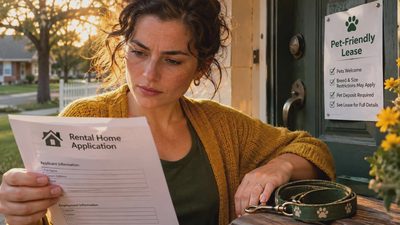
A listing might say “dogs allowed” while the building limits the number, size, or type of dog. A condo or co-op may have building rules in addition to the owner's lease terms. Ask about your specific pet and get the answer in writing from the person authorized to speak for the owner.
Here's a note you can copy and adjust:
“Hi, I'm interested in the apartment at [address]. I have one [dog/cat], approximately [weight] pounds. Does the owner and building permit this pet? Are there any restrictions, additional monthly charges, or documents required? Please confirm whether the pet can be named in the lease or a signed pet addendum. Thank you!”
If you have more than one animal, list each one. Ask about a pet you plan to adopt, too: permission for a future animal should not be assumed from a general listing. A clear answer now is worth more than an enthusiastic “should be fine” in a hallway.
Before sending money, verify that the listing and the person collecting payment are legitimate. Be cautious if you're pressured to wire money, pay a deposit before seeing the home, or move the conversation away from the listing platform immediately. Ask for the address, a tour, and a written breakdown of charges. A listing disappearing quickly isn't a reason to skip those checks.
Read the pet clause and calculate the real cost
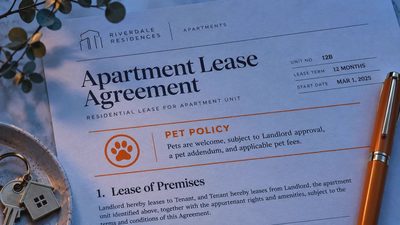
Ask for the proposed lease and any pet addendum before signing. The paperwork should identify the permitted animal and spell out any applicable conditions. Check for limits on additional pets, rules for common areas, cleaning obligations, and language about what happens if the owner alleges a violation. If the listing promised something different, ask for the discrepancy to be corrected in writing.
Compare the advertised rent with any recurring pet charge. A $50 monthly pet charge, for example, adds $600 over a 12-month lease. Ask whether that charge is per apartment or per animal, and whether it changes at renewal. Don't assume a fee is refundable just because it's described as a deposit.
New York renters should pay particular attention to upfront charges. State law generally limits a security deposit or advance to one month's rent for most residential rentals, with some exceptions. An additional pet security deposit can run into that limit. Rules differ elsewhere, and the name a landlord gives a charge doesn't necessarily settle whether it's permitted. If a fee looks questionable, ask the landlord to explain it in writing and consult a local tenant organization or attorney before paying.

Also ask who hired the broker and which fees you would owe. NYC has rules governing when a landlord's broker fee can be passed to a tenant, so request an itemized list rather than treating every advertised charge as automatic. Keep copies of the listing, messages, receipts, and signed documents together.
Understand assistance-animal requests
A service animal or emotional support animal isn't simply a pet for housing accommodation purposes. A person with a disability may request a reasonable accommodation to a housing provider's pet restrictions, including a no-pets policy. Housing rules are not identical to the rules for bringing a service animal into a restaurant or store.
A housing provider may request reliable disability-related documentation when the disability or need for the animal isn't readily apparent or already known. The provider generally shouldn't demand a diagnosis or detailed medical records. Online certificates or registrations are not, by themselves, a magic pass. Ask about the provider's accommodation process and consider local fair-housing guidance if you encounter a problem.
Make the tour count
Walk the route from the apartment door to the street. Notice whether your dog would need to pass through a crowded lobby, squeeze into an elevator, or navigate steep stairs. Ask where animals can enter and whether there are leash or cleaning rules in shared spaces. For a cat, look at window screens and where you could place a secure carrier during a move.
Visit the surrounding blocks at a time you'd normally take a walk. Check for traffic, construction, and a realistic bathroom route; then look up nearby veterinary care before an emergency makes the decision for you. You don't need a perfect dog run on the doorstep, but you do need a routine you can manage on a rainy Tuesday.
Finally, make the written pet permission part of your signing checklist. Once the numbers, building rules, and lease all match what you've been told, you'll be choosing a home rather than gambling on a listing label.



No notes yet — write the first one.