Searching for a house for rent near me pet friendly can feel like a full-time job, especially when every promising listing seems to come with a vague “pets considered” note. I have helped hundreds of renters move with dogs and cats, and the good news is that the right home is out there. You need a search plan that looks beyond the headline and checks the lease, building rules, outdoor space, and your pet’s actual routine.
A home does not need to be enormous to work well. A first-floor garden apartment in Queens, a small townhouse near Prospect Park, or a duplex in Staten Island can all be comfortable when the layout fits your schedule. The goal is simple: a home that fits all of you — tail included.
Start with the Right Pet-Friendly Search
When you search for a house for rent near me pet friendly, begin with the details your pet cannot compromise on. For a dog, that might mean a private yard, a nearby green space, or a location within a short walk of a reliable dog run. For a cat, secure windows, quiet rooms, and enough vertical space may matter more than a yard.
Use listing filters, but never treat a filter as final approval. “Pet friendly” can mean one cat under 15 pounds, while “pets allowed” might mean the owner will consider an application after reviewing your pet’s breed, age, and history. Save listings with clear language and message the agent before scheduling a showing. This prevents an awkward trip from Astoria to Crown Heights only to discover a strict no-dog policy.
A helpful first message is: “Hi, I’m interested in the home and would love to confirm the pet policy before touring. I have a [dog/cat], approximately [weight] pounds, and can provide vaccination records and landlord references. Are there any restrictions or additional charges?” Clear information makes you look organized rather than difficult.
Learn to Spot a Genuine Listing
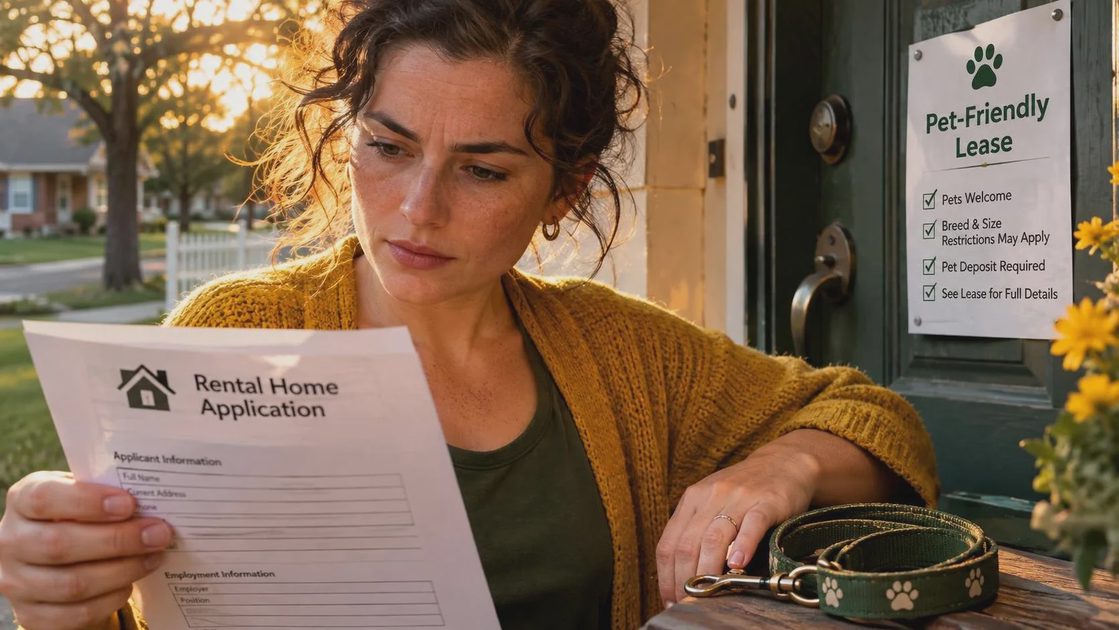
A real house for rent near me pet friendly listing usually explains the policy instead of hiding it behind a cheerful photo of a backyard. Look for specific terms such as “one dog permitted,” “cats welcome,” “breed restrictions apply,” or “no additional pet rent.” Specificity is useful because it tells you what to verify.
Be cautious when the listing says “pets negotiable” but gives no contact information for the decision-maker. In some cases, the broker has not confirmed the owner’s position. Ask whether approval is required before an application, whether the lease includes a pet addendum, and whether the policy applies to visiting animals as well as resident pets.
Photos also deserve a practical reading. A fenced yard may have a broken gate, an open stairwell may be unsafe for a puppy, and a basement entrance may flood during heavy rain. During a showing, check latch height, window screens, exposed pipes, floor gaps, and the path from the front door to the nearest sidewalk. Noodle, my terrier mix, would find three escape routes before I finished admiring the kitchen.
Read the Pet Clause Before You Apply
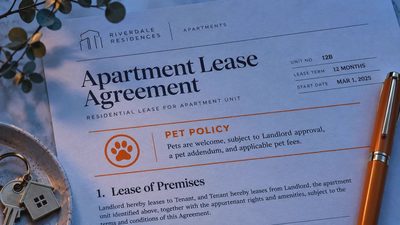
The pet clause matters more than the listing description. It should identify the permitted animal, any weight or breed limits, vaccination requirements, noise expectations, and rules for damage or waste. Read the exact language before sending an application fee or signing a lease.
Pet deposits and pet rent are different. A deposit is typically held to cover eligible damage and may be refundable under the lease. Pet rent is a recurring monthly charge, often ranging from $25 to $100 per pet in larger cities. Some owners ask for both, while others charge neither when the applicant has strong references. Ask for every cost in writing, including a one-time administrative fee.
You can send this note: “Before I apply, could you please confirm the monthly rent, security deposit, pet deposit, recurring pet rent, and any pet-related addendum? I want to make sure the full monthly and move-in costs are clear.” In New York, rules around deposits and lease terms can be specific, so rely on the written agreement and current guidance rather than a casual verbal promise.
Service animals and emotional support animals are separate from ordinary pet requests. They are not pets under fair-housing rules, but documentation and accommodation procedures still matter. Do not mislabel a pet to avoid a fee; ask for the proper process and submit legitimate documentation when applicable.
Compare Homes by Daily Routine
A house for rent near me pet friendly should work on a rainy Tuesday, not only during a sunny Sunday showing. Time the walk from the front door to a relief area. Look at sidewalks, street lighting, traffic, and nearby construction. If you work long hours, identify whether a dog walker can access the home easily and whether the entry has a secure lock.
Walk-ups deserve an honest conversation. Four flights may be manageable for a healthy adult dog but challenging for a senior dog, a heavy cat carrier, or a person recovering from an injury. An elevator is helpful, but confirm whether pets must be carried, leashed, or kept away from certain common areas. In Manhattan and Brooklyn buildings, these small rules can shape your whole morning.
Outdoor space needs inspection, too. Ask who maintains the yard, whether fencing is shared, and where snow or waste should go. A private yard is not automatically a dog run, and landlords may prohibit tie-outs or unsupervised outdoor access. If the property has a pool, pond, or steep deck, include those hazards in your decision.
Make Your Application Stronger
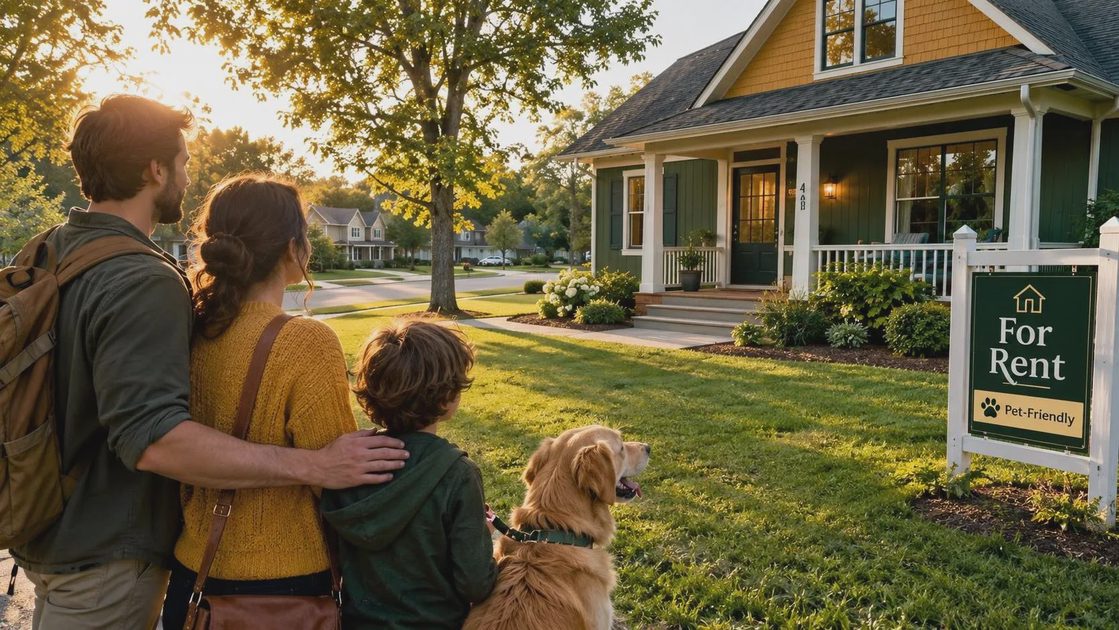
Pet owners often worry that mentioning an animal will weaken an application. In practice, a prepared pet profile can make the conversation easier. Include a clear photo, age, approximate weight, vaccination records, spay or neuter information when relevant, and a short description of temperament. Add a previous landlord reference if you have one.
Keep the tone factual. “Quiet, house-trained, and accustomed to apartment living” is more useful than “the sweetest dog ever.” If your pet has lived in a rental before, explain how you handled walks, noise, and maintenance visits. A renter who can answer those questions calmly feels lower risk to an owner.
You can also offer practical protections, such as professional cleaning at move-out or a written agreement to repair pet-caused damage. Do not volunteer unlimited liability or sign away important rights. The lease should remain balanced and specific. If an owner refuses to put the pet approval in writing, pause before paying money.
Settle In Without Stress
Once you find a house for rent near me pet friendly and sign the lease, prepare the home before moving day. Secure loose cords, install window screens, check fence latches, and store cleaning supplies behind a closed door. Bring familiar bedding, food, and a favorite toy so the first night has recognizable smells.
For the first week, keep meals and walks predictable. A cat may need one quiet room before exploring the entire home. A dog may bark at unfamiliar hallway sounds or need extra decompression after a busy move. Introduce neighbors gradually and confirm where waste bags, recycling, and deliveries belong.
Save the landlord’s maintenance contact and ask how workers will enter when you are away. Keep a copy of the signed pet addendum with your lease documents. A quick photo record of floors, doors, screens, and the yard at move-in can prevent confusion later.
Finding a house for rent near me pet friendly is not about grabbing the first listing with a paw-print emoji. It is about matching your pet’s needs with the lease, the building, and the rhythm of your life. Read the fine print, ask direct questions, and trust a home that welcomes your whole household clearly. With the right preparation, your next move can feel less like a negotiation and more like the beginning of a good routine.


No notes yet — write the first one.