Finding pet friendly rent homes in New York City is possible, even when the listings make it feel like every dog and cat needs a lawyer. Start with a pet-friendly search filter, then confirm your particular animal is allowed before you tour. The listing is an invitation to ask questions; the signed lease and any pet addendum are what you need to read carefully.
StreetEasy is a useful starting point for NYC renters who want to filter apartment listings. Zillow can widen the search across the city and nearby suburbs, while Apartments.com is another option for comparing rental listings in multiple neighborhoods. On each site, check the individual listing and ask the contact to verify its pet rules: a filter cannot tell you whether your 55-pound dog meets a particular building’s limit.
How to search for pet friendly rent homes
Begin with your real boundaries: monthly rent, commute, number of animals, and how many flights of stairs you and your pet can manage. A cat may be perfectly content in a walk-up, but carrying an older dog up four flights several times a day is a different calculation.
Use the pet filter, then read the description for phrases such as “cats only,” “dogs under a certain weight,” or “pets on approval.” If the listing does not explain the policy, don’t assume a friendly photo or paw-print icon means every animal qualifies. Some co-ops and condos have building rules in addition to an individual owner’s preferences.
Before booking, send a short message: “Hi! I’m interested in the apartment. I have one 45-pound dog. Does the building allow a dog of that size, and are there any pet fees or additional monthly charges?” Substitute the details that apply to your household, including a second pet if you have one.
Ask the person advertising the apartment to confirm both the owner’s and the building’s requirements. A broker can help track down the answer, but an enthusiastic “that should be fine” is not the same thing as written approval.

Look beyond the pet-friendly label
The best pet friendly rent homes work for ordinary Tuesday mornings, not just the day you sign. On a tour, notice the trip from the apartment door to the sidewalk. Is there an elevator? If so, ask whether pets may use it and whether the building has any rules about leashes or carriers in common areas.
Walk the block at the time you would normally take your dog out. A home near Prospect Park or Riverside Park might make longer walks appealing, but proximity on a map does not tell you where the nearest entrance is or how comfortable the route feels after dark. For a cat, look at window screens and possible escape points rather than counting nearby green spaces.
Listen inside the apartment, too. A window facing a busy street or a front door beside an elevator may mean more hallway or traffic noise. You cannot predict exactly how an animal will react, but you can consider whether the layout offers a quieter corner for a bed or litter box.
If you are hoping to adopt after moving, ask about the process now. A building that permits your current cat may still require separate approval for another animal. Get the procedure in writing before you promise an adoption group that your new home is ready.
Read the lease and calculate the full cost
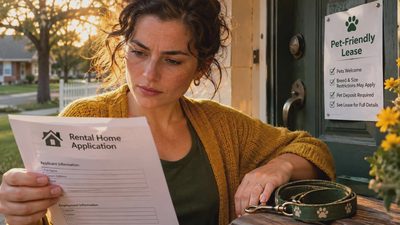
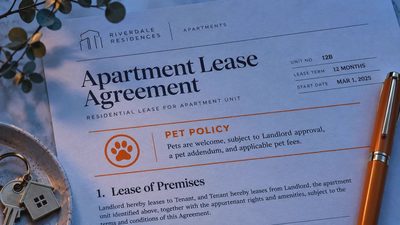
Pet friendly rent homes can come with conditions that vary from one property to another. Read the lease and any pet rider for the number and type of animals allowed, size restrictions, approval requirements, common-area rules, and what happens if you want to add or replace a pet. Make sure the animal you discussed is actually covered.
Ask for every charge in writing before you apply: the base rent, any recurring pet rent, and any amount requested upfront. In New York, security deposits for most residential rentals are generally limited to one month’s rent; landlords generally cannot get around that limit by labeling an additional refundable deposit a pet deposit. Other fees and local rules can be complicated, so ask a tenant legal service or qualified attorney about a charge you do not understand rather than assuming it is permitted.
Pet rent is different from a refundable deposit: it is an ongoing charge. If an apartment costs $50 more per month because of a pet charge, that adds $600 over a 12-month lease. Compare the total with another apartment’s costs before deciding which one fits your budget.

If the written terms differ from what you were told on the tour, pause and ask for a correction before signing. Save the listing and the relevant emails, but do not rely on them as a substitute for a lease that accurately reflects the agreement.
When a pet policy involves an assistance animal
Service animals and emotional support animals are not simply pets under fair housing rules. A person with a disability may request a reasonable accommodation to an animal restriction, including a no-pets policy. Housing providers can request reliable disability-related documentation in some circumstances when the disability or need is not readily apparent, but the rules have limits and depend on the situation.
A housing provider generally cannot charge a pet deposit or pet fee for an approved assistance animal, although a resident may be responsible for damage the animal causes if the same standard applies to other residents. An online certificate is not a magic pass, and a landlord’s standard pet application is not necessarily the right process for an accommodation request. For help with a specific situation, contact a fair housing organization or tenant attorney.
Make the application and move easier
For ordinary pet approval, prepare a short pet profile with your animal’s name, type, approximate weight, and a photo. You can offer vaccination records or a reference from a previous landlord if requested. Share what is relevant without sending a folder full of sensitive personal information to every listing contact.
Once you have written approval, plan the first day around the animal rather than the moving truck. Set aside food, medication, a leash or carrier, and a familiar bed where they will not disappear into boxes. For a cat, a closed room with water, a litter box, and a note on the door can help prevent an escape while movers come and go.
Before you leave your old place, photograph its condition and check your lease for move-out requirements. At the new apartment, document existing damage and report it promptly. Then take a breath: the goal is a home that fits all of you — tail included.


No notes yet — write the first one.