Finding a pet friendly rental in New York can feel like a second job, especially when every promising listing ends with “pets considered” in tiny type. Take a breath. I have helped hundreds of renters move with dogs and cats, and the right search is less about begging for an exception and more about knowing what to ask before you fall in love with the kitchen.
A genuine pet friendly rental should work for your entire household, tail included. That means the lease, building routine, monthly cost, and nearby sidewalks all need to make sense. Noodle, my terrier mix, has taught me that a third-floor walk-up is not automatically a bad idea, but a building with an unfriendly elevator neighbor can become exhausting very quickly.
Start With the Listing, Then Verify Everything
The phrase “pet friendly” is not a legal definition or a guarantee that every animal is welcome. One listing may allow cats but not dogs. Another may accept a small dog while excluding breeds, puppies, or animals over a certain weight. Some buildings permit pets only with written approval from the owner or managing agent.
When you inquire, send a direct message instead of burying the question at the end of a long application. Try this exact wording: “I am interested in the apartment and would like to confirm the written pet policy before scheduling a viewing. I have a [dog/cat], approximately [weight], and can provide vaccination records and a landlord reference. Are there any restrictions or additional charges?”
If the response is vague, ask for the lease language. A broker who says “the owner is probably fine with it” has not given you an answer. In Manhattan, Brooklyn, and Queens, I would rather spend five minutes confirming the policy than spend an hour touring a beautiful apartment on Bergen Street that cannot legally accommodate your pet under the owner’s rules.
Look at the building itself, too. Check whether the lobby has a convenient exit, whether the elevator is reliable, and whether the closest route includes a noisy avenue or a narrow sidewalk. A pet friendly rental on a quiet block near a small park can be more practical than a larger apartment several avenues from a comfortable walking route.

Read the Pet Clause Before You Apply
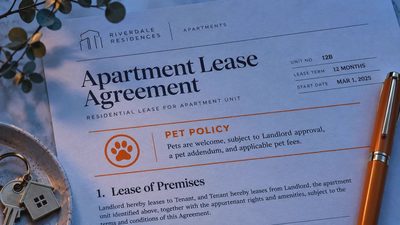
The pet section should answer several basic questions. Does the lease allow your type of animal? Is there a size, weight, or breed restriction? Must the pet be approved in writing? Are there rules about common areas, elevators, barking, scratching, or leaving an animal unattended? Can the landlord revoke permission later if there is a complaint?
Do not rely on a listing screenshot or a text message when the lease says something different. Ask the agent to identify the controlling document and any building rider. If the lease permits one cat but your application says two, correct that discrepancy before signing. Small omissions become stressful disputes when a management company changes personnel.
Money deserves its own careful look. You might see a one-time pet fee, a refundable pet deposit, monthly pet rent, or no additional charge. The amount and legality can depend on the property and local rules, so ask for the total dollar amount and whether it is refundable. A $50 monthly charge adds $600 per year; a $500 deposit ties up cash but may come back at move-out if the agreement allows it.
For a pet friendly rental, I like a written summary that says the animal is approved, identifies the animal, and lists every related charge. That document is much more useful than a cheerful “no problem” at an open house.
Make Your Application Easy to Say Yes To
Pet owners often worry that their application will be pushed aside. You cannot control every owner’s preference, but you can make the decision simple. Prepare a small pet résumé with a clear photo, age, weight, vaccination status, approximate daily routine, and training notes. Add a prior landlord reference if you have one. For a cat, mention litter-box arrangements and scratching-post plans; for a dog, explain walking times and daytime care.
Keep the packet calm and factual. “My seven-year-old dog is house-trained, walks three times daily, and has lived in an apartment for four years” tells an owner more than “he is the sweetest boy ever,” even though both statements may be true. If you use a dog walker, daycare, or sitter, naming the arrangement can reassure a landlord that the animal will not be alone and restless for ten hours.
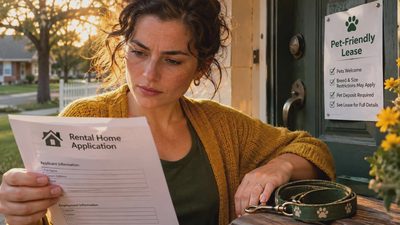
A pet friendly rental application also benefits from financial readiness. Have proof of income, identification, references, and funds for the approved move-in costs organized before the viewing. Speed matters in NYC, but speed should never mean signing a lease you have not read.
Negotiate Like a Neighbor, Not an Apology
You do not need to apologize for having a pet. You do need to show that you understand the owner’s concerns. If the landlord is worried about damage, offer references and a reasonable written plan for preventing problems. If the requested pet rent feels high, ask whether a refundable deposit or a stronger reference package would work instead. The best negotiation is specific: “Would the owner consider reducing the monthly pet rent to $25 if I provide a prior landlord reference and add the pet approval to the lease rider?”
Never offer an informal cash arrangement to avoid putting the pet in the lease. That creates uncertainty for everyone and can leave you exposed if the building manager later discovers the animal. If an accommodation involves a service animal or an assistance animal, handle it through the appropriate housing process rather than treating it as an ordinary pet negotiation. Those categories have different rules, and documentation should be handled respectfully and privately.
A good agent will carry the question to the owner without making you feel difficult. If the answer is no, that is disappointing, but it is better to know before you pay application fees or schedule movers.

Match the Apartment to Your Animal’s Real Life
A pet friendly rental is not automatically a pet practical rental. Think through an ordinary Tuesday, not just the sunny afternoon when you tour. Where will your dog go out during a storm? Can you carry a litter box through the hallway without blocking the door? Is there enough separation between the front door and the food bowls? Will your cat have a secure window perch rather than an open fire escape?
Walk the block at the time you expect to leave home. In Brooklyn, a building near Prospect Park can offer wonderful walking options, but the route from the entrance may still be crowded or poorly lit. In Queens, a quieter street might make a nervous dog more comfortable. In a Manhattan walk-up, count the stairs honestly and consider your pet’s age, your work schedule, and future mobility.
Ask about neighboring pets and building habits without assuming every resident will be welcoming. A doorman, superintendent, or current tenant may tell you whether the elevator is usually calm, where deliveries pile up, and whether there is a practical place to pause during a rainy walk. Those small details often matter more than a renovated backsplash.
Your Move-In Plan Starts Before Moving Day
Once you choose a pet friendly rental, prepare the first week before the boxes arrive. Bring familiar bedding, food, medication, a favorite toy, and a secure carrier or leash. Keep your pet in one quiet room at first if the apartment is overwhelming. Let the animal explore gradually while you establish feeding, walking, and litter routines.
For dogs, identify the nearest legal relief area and the safest late-night route. For cats, check window screens, balcony access, cabinet gaps, and the location of cleaning supplies. In a walk-up, keep an emergency contact who can help if you are sick or stuck at work. A simple printed routine can help a pet sitter follow the same schedule during the adjustment period.
Take photos of the apartment before unpacking, including floors, doors, trim, and window screens. Send any existing damage to the landlord or management company according to the lease instructions. This protects your security deposit and gives you a clean record from day one.
The search may take patience, but it should not require choosing between a safe home and the animal you love. Ask clear questions, read every pet clause, and judge the building by daily life rather than polished listing photos. With the right preparation, you can find a pet friendly rental that feels comfortable for both of you—a home that fits all of you, tail included.



No notes yet — write the first one.