Finding apartments for rent pet friendly in New York can feel like a second job, especially when every promising listing ends with “pets considered” or a mysteriously vague building policy. Take a breath. You do not need to hide your dog, apologize for your cat, or sign a lease before reading the pet clause. You need a search plan that treats your animal as part of the household from the first conversation.
I have helped hundreds of renters find homes across Brooklyn, Queens, and Manhattan, and the best results usually come from being clear early. Tell the agent your pet’s species, approximate weight, age, and temperament. A calm 12-pound terrier and a 75-pound young retriever will be evaluated differently by many landlords, even when both are excellent neighbors. The goal is a home that fits all of you — tail included.
Start With the Building, Not Just the Apartment
A listing can say “pet-friendly” while the building has an elevator restriction, breed or size rules, a one-pet limit, or a superintendent who interprets the policy differently from the leasing office. Ask for the written rules before you spend an afternoon touring. My quick message is: “Hi, I’m interested in the apartment and will be moving with one [dog/cat]. Could you confirm the building’s pet policy, all fees, weight or breed restrictions, and whether approval is required before lease signing?”
For apartments for rent pet friendly, I look beyond the apartment door. Is there a reliable elevator if you live on the sixth floor? Can you reach a sidewalk without crossing a chaotic loading zone? Is there a reasonable route to a park, dog run, or quiet block for a late-night walk? In parts of Brooklyn, the difference between a comfortable routine and a frustrating one can be just a few avenues. A ground-floor unit near Prospect Park sounds ideal until you discover the windows open onto a busy bus stop. A third-floor walk-up near a calmer stretch of Fort Greene may work better for a small, active dog.
Look at the lobby, too. Do residents leave room for a carrier? Does the doorman greet pets warmly, or does everyone seem tense when a dog enters? Those small signals often tell you more than a polished listing description.
Read the Pet Clause Before You Fall in Love
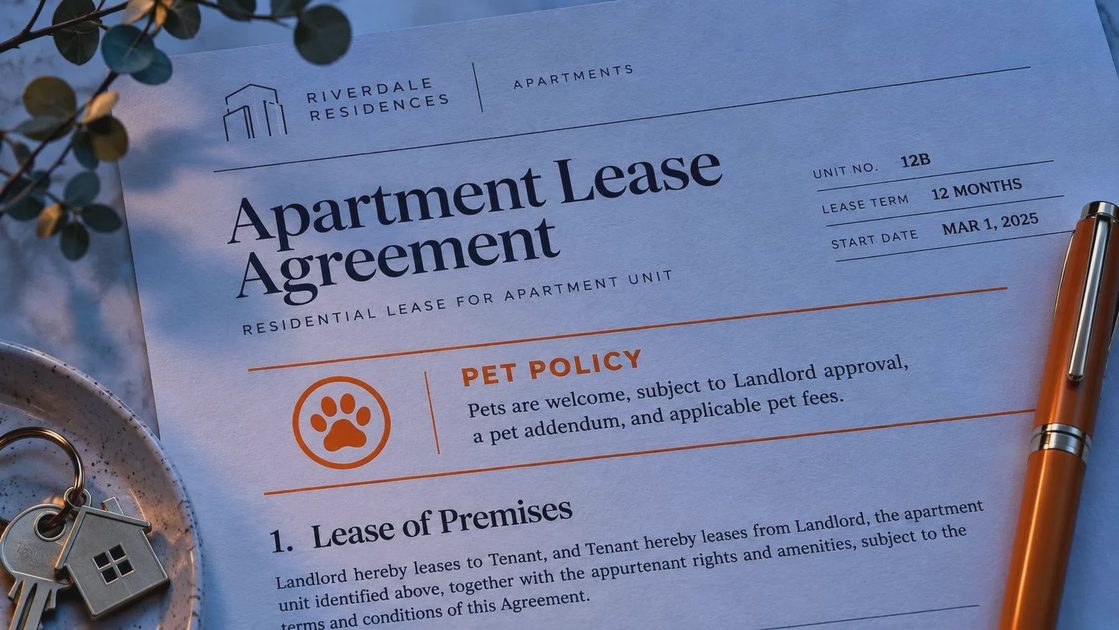
The pet clause is not a formality. It may identify permitted animals, require landlord approval, address nuisance behavior, and describe what happens if a pet causes damage. Read the entire lease, rider, and building rules together. A verbal “the owner loves dogs” is not a substitute for written permission.
Ask specifically about money. A landlord might charge a pet fee, monthly pet rent, or a refundable deposit, depending on the property and applicable rules. In New York City, security-deposit requirements are regulated, so do not assume every requested charge is automatically permitted. Request an itemized explanation and compare it with the lease language. A $500 one-time pet fee and $50 monthly pet rent create very different costs over a two-year lease: $500 versus $1,200 before any ordinary rent increases.
Also ask who pays for damage and how it is documented. Photograph existing scratches, stained flooring, or damaged doors during the move-in inspection. Send the photos by email so there is a dated record. Good documentation protects everyone and makes the conversation much easier at move-out.
Build a Search That Works in NYC
Searching for apartments for rent pet friendly is more efficient when you filter by practical needs instead of clicking every listing marked “pets allowed.” Decide your non-negotiables first. For example, you might need an elevator, no more than a 20-minute walk to green space, laundry in the building, and permission for one dog under 40 pounds. A cat owner may prioritize secure windows, quiet hallways, and enough separation between the kitchen and litter box.
Keep a simple comparison note for each apartment. Record monthly rent, application fees, pet costs, move-in timing, floor, elevator status, nearby walking routes, and the exact wording of the pet policy. This prevents the classic late-night mistake of confusing one building’s $35 monthly pet rent with another’s $350 administrative fee.
Neighborhood choice matters. Astoria can offer more residential blocks and accessible outdoor routines, while many sections of Park Slope put you close to Prospect Park but can command a premium. In Long Island City, examine the distance to open space and the building’s elevator traffic. In Manhattan, a smaller apartment near a dependable walking route may be more useful than a larger place far from a practical relief area. Think about your weekday schedule, not just the apartment’s staging photos.
Make Your Application Easy to Approve
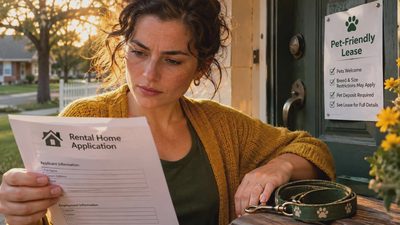
A tidy pet résumé can move a conversation forward. Include a clear photo, name, age, weight, vaccination records when requested, training information, and a short note about your routine. You can write: “Milo is a house-trained, seven-year-old indoor dog. He is walked before work and in the evening, has lived in apartments for four years, and has no history of property damage. I’m happy to provide a prior landlord reference.” Keep it factual rather than overly sentimental.
For apartments for rent pet friendly, preparation is especially useful when the owner is undecided rather than firmly opposed. Offer a prior landlord reference, renter’s insurance if appropriate for the property, and a realistic explanation of how you manage barking, litter, scratching, or separation. Never promise that a pet is silent or flawless. A credible plan sounds much more reassuring.
If the listing says “no pets,” do not quietly move in an animal later. That can create a lease violation and put your housing at risk. Service animals and emotional support animals are separate legal categories from ordinary pets, with different rules under fair-housing law. A legitimate accommodation request should be handled honestly and with appropriate documentation; do not mislabel a pet to bypass a policy.

Tour the Apartment Through Your Pet’s Eyes
During the showing, check hazards that a staged room hides. Look for loose window screens, radiator access, exposed pipes, balcony gaps, and doors that do not latch firmly. Ask whether windows can be secured and whether the building has a pest-control schedule that affects pets. In a walk-up, measure the stair width if you have a large carrier or an older dog. In an elevator building, listen for hallway noise that could trigger barking.
Picture the first month, not just move-in day. Where will food stay? Is there a washable spot for muddy paws? Can a litter box sit somewhere ventilated without blocking a closet? Will your cat have a quiet room during deliveries and repairs? A beautiful studio can become uncomfortable if the only litter-box location is beside the bed and the front door opens directly into the living area.
A Calm Path to Signing
When you find a strong match, confirm the final terms in writing before paying or signing. Your email should list the approved pet, any fee or rent, required records, building rules, and whether future pets require separate approval. Save the landlord’s response with the lease and riders.
The most successful apartments for rent pet friendly searches are not based on luck. They combine honest disclosure, neighborhood realism, careful lease reading, and a little patience. If a landlord cannot explain the pet policy clearly, that is useful information—not a personal rejection. There are better buildings, kinder routines, and more workable apartments ahead.
Start with your pet’s real needs, keep your documents ready, and ask direct questions before you get attached. That is how you find apartments for rent pet friendly and turn a stressful search into a manageable move for both ends of the leash.



No notes yet — write the first one.