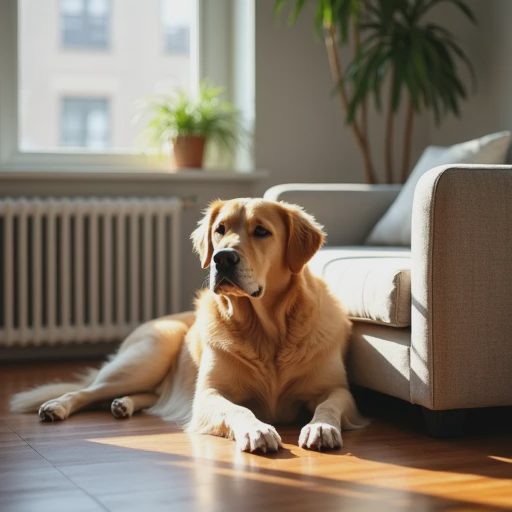
A lot of people assume that a big dog needs a big apartment.
In New York, that belief keeps plenty of good dogs and good humans from even trying.
I’ve lived with a medium-energy terrier mix in tight quarters, and I’ve helped plenty of clients settle larger dogs into studios and one-bedrooms. The square footage matters less than how you use it — and how deliberately you handle the hours outside the apartment.
Here’s what actually works when the apartment is small and the dog is not.
1. The daily exercise equation is non-negotiable
A tired dog is a good roommate. An under-exercised dog in 500 square feet will invent jobs for himself, and you will not like most of them.
For most bigger dogs in the city, that usually means:
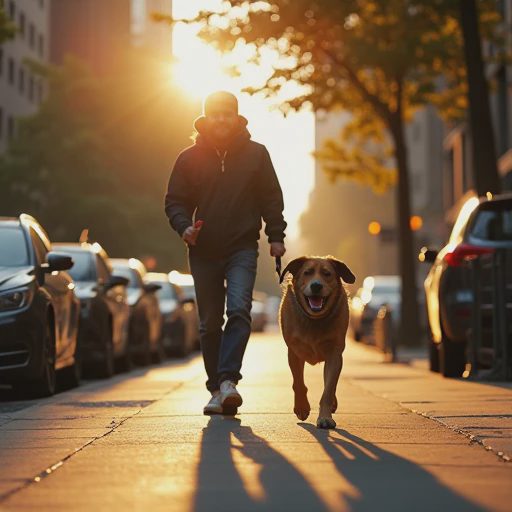
At least one solid walk or outing in the morning
Another in the late afternoon or evening
Some form of real movement on weekends (longer walk, hike, or play session)
The apartment itself is for resting, eating, and quiet time. It is not the primary place where energy gets burned off. Once that division is clear, the small space becomes much more manageable.
2. Create zones even when the floor plan doesn’t give you any
You don’t need walls to make different areas feel different.
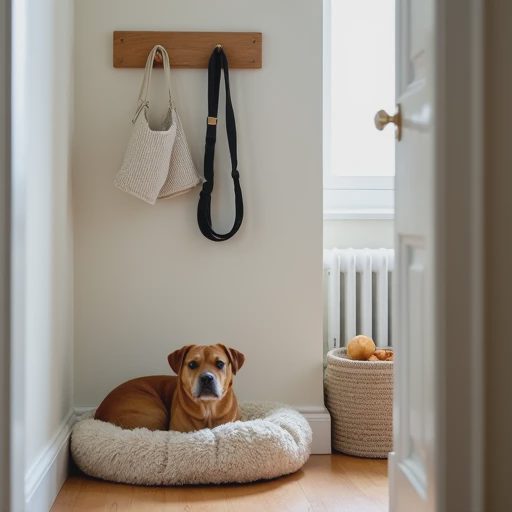
A consistent sleeping spot (crate or bed) that is only for rest
A feeding area that doesn’t move
One or two places where toys live, so the whole floor isn’t a constant scatter of objects
A clear path from the door to the leash hook so departures don’t become chaotic
Dogs read patterns. When the same activities happen in the same spots, the apartment feels more structured and less like one continuous, overstimulating room.
3. Vertical and sensory enrichment help more than people expect
Big dogs still benefit from things that make the space more interesting without taking up much floor:
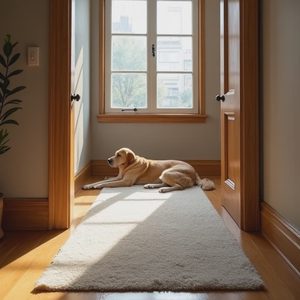
A window with a decent view (street, tree, or courtyard) can become a legitimate activity center
Rotating a small set of toys instead of leaving everything out at once keeps them novel
Lick mats, snuffle mats, or frozen food puzzles turn mealtime into longer, calmer work
Short training sessions inside (even five minutes of settling on a mat or simple cues) tire the brain
Mental work buys you quiet. In a small apartment, quiet is gold.
4. Manage the “witching hours”
Many dogs have a restless period in the late afternoon or early evening. In a larger home you might not notice it as much. In a studio you will.
Plan for it. A structured walk, a food puzzle, or a chew at that time of day prevents a lot of pacing, attention-seeking, and creative destruction. Consistency here matters more than intensity.
5. Furniture choices that work harder
In a small place every piece has to earn its keep:
A couch with a washable cover or throw that can handle dog life
A bed or crate that fits the dog comfortably but doesn’t dominate the room
Storage that keeps leashes, bags, and gear from permanently living on the floor
One elevated spot (if your dog likes them) so they can choose to be up and out of the main traffic path
You don’t need special “dog furniture.” You need ordinary furniture that can tolerate real use and still be cleaned.
6. The social and outdoor network becomes part of your square footage
This is the part people underestimate.
A reliable dog run, a few blocks of good walking routes, and maybe one or two other dog people you see regularly effectively expand your dog’s world far beyond the apartment walls. The 500 square feet becomes the home base, not the entire territory.
When the outdoor routine is solid, most big dogs are perfectly content to sleep hard in a small indoor space.
7. What I tell people who are worried about size
A calm, well-exercised 70-pound dog in a small apartment is usually easier to live with than an under-stimulated 30-pound dog in the same space. Breed and energy level matter more than the number on the scale. So does your willingness to keep the outdoor part of the day non-negotiable, even when the weather is bad or you’re tired.
If your dog is still young and high-drive, be honest about the time you can realistically give. The apartment size is rarely the actual limiting factor. The daily structure is.
A realistic picture
Living with a bigger dog in a small New York apartment is not the same as having a yard. It requires more deliberate walks, more attention to routine, and less room for “I’ll just let him run around inside.” In exchange, you get the same companionship and the same soft heavy breathing on the couch at the end of the day.
Plenty of us are doing it quietly across the city — in studios, one-bedrooms, and walk-ups — without drama. The dogs adapt. The humans adjust. The square footage becomes less important than the quality of the hours spent both inside and outside it.
If you’re already living this way, or about to try it, the most useful thing you can do is stop comparing your setup to a suburban ideal. Build the version that works for the animal in front of you and the apartment you actually have.
That’s usually enough.
— Maren
A home that fits all of you — tail included.

No notes yet — write the first one.