If you have ever dropped a slice of avocado while making toast and watched your dog sprint across the kitchen floor, you have probably wondered: are avocados ok for dogs? The short answer is that avocado is not a good everyday treat, and the pit, skin, leaves, and plant are the biggest concerns. A small taste of plain flesh is not usually an emergency for most dogs, but there are safer snacks to keep on hand in your apartment kitchen.
Are avocados ok for dogs, or should you skip them?
Avocado contains persin, a natural fungicidal compound that can be harmful in larger amounts. Dogs generally tolerate persin better than birds, but that does not make the fruit a smart routine treat. The flesh is also high in fat. A rich, fatty bite can cause vomiting or diarrhea, and in some dogs it can contribute to pancreatitis, a painful inflammation of the pancreas.
The pit is a separate and more immediate problem. It is large, hard, and easy for a determined dog to swallow. In a small Brooklyn kitchen, a dropped pit can disappear under a table faster than you can reach it. A swallowed pit can cause choking or an intestinal blockage, both of which require urgent veterinary attention. The skin and leaves contain more persin than the flesh and should never be offered.
So, are avocados ok for dogs in a tiny portion? A lick of plain, ripe flesh is unlikely to poison a healthy dog, but “unlikely to cause poisoning” is not the same as “healthy snack.” Do not mix avocado with salt, garlic, onion, hot sauce, or seasoned tortilla chips. Those additions create their own risks, especially garlic and onion, which can damage a dog’s red blood cells.
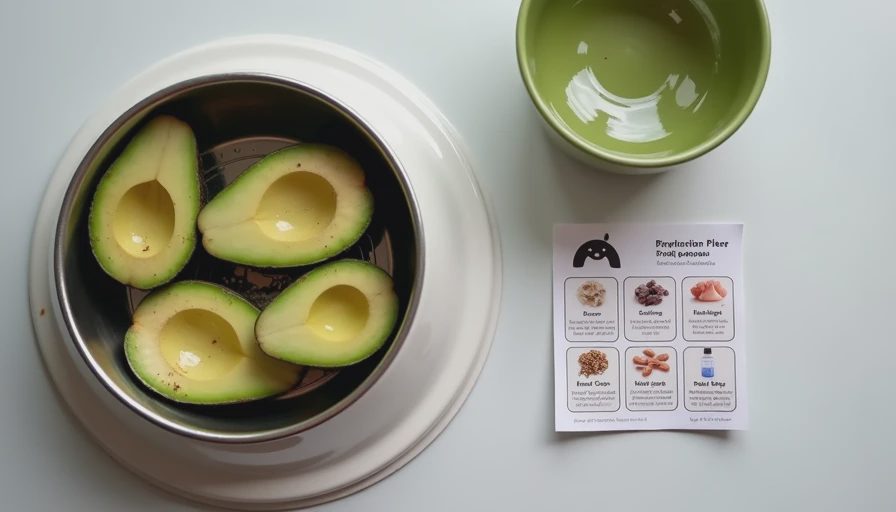
What happens if your dog eats avocado?
Start with the practical details rather than panic. Find out what your dog ate, how much, and when. Was it a smear of flesh from your breakfast plate, or did your dog chew the pit? Did the avocado contain guacamole ingredients? Write down your dog’s approximate weight and any symptoms, then call your veterinarian or a pet poison service for individualized advice.
Do not induce vomiting unless a veterinary professional specifically tells you to. Home remedies such as hydrogen peroxide, salt, oil, or milk can cause additional harm. If your dog swallowed a pit, contact a veterinarian promptly even if the dog seems completely normal. A blockage may not show obvious symptoms immediately.
Watch for repeated vomiting, diarrhea, belly pain, a swollen abdomen, unusual tiredness, trouble breathing, choking, loss of appetite, or straining to pass stool. A dog with severe symptoms, collapse, pale gums, or breathing trouble needs emergency care. In New York City, save the phone number and address of your regular veterinarian and the nearest 24-hour animal hospital in your phone before you need them. A late-night cab ride with a sick terrier is much easier when you are not searching from the sidewalk.
The amount matters, but so does the whole dog. A 70-pound adult who licks a little plain flesh is in a different situation from a 10-pound puppy that swallowed a pit. Dogs with a history of pancreatitis, sensitive stomachs, or other medical conditions deserve extra caution with fatty foods.
Safer treats for an apartment dog
There is no shortage of low-drama treats that are easier to portion and store. Small pieces of carrot, cucumber, green bean, or plain cooked sweet potato can work for many dogs. Seedless apple pieces are another option, but remove the core and seeds. Plain blueberries and a few banana slices are convenient for training, although fruit still contains sugar and should stay occasional.
For a protein-based reward, try tiny pieces of plain, cooked chicken or turkey with no seasoning. A pea-sized portion of your dog’s regular kibble is often just as useful during hallway manners, elevator practice, or leash training. In my apartment, I keep treats in a sealed container on a high shelf rather than in a bowl near the counter. Noodle has taught me that “out of reach” is not the same as “probably fine.”
Portion size matters more than the label on the snack. Treats should generally make up only a small part of a dog’s daily calories, and a rich human-food bite can add up quickly for a small breed. If a dog has allergies, diabetes, pancreatitis, or a prescription diet, ask the veterinary team before introducing new foods.

How to prevent avocado accidents at home
Pet-proofing does not require a giant suburban kitchen. Put avocado pits directly into a lidded trash can, not an open bin beside the sink. Keep whole avocados, produce scraps, and guacamole on a counter your dog cannot reach. If you share the apartment with roommates, put a simple note on the refrigerator: no pits, skins, or seasoned guacamole in the dog’s bowl.
Pay attention during grocery unpacking, too. A dog may grab a fallen avocado in the entryway while you are juggling a tote bag, keys, and a leash. If you live in a walk-up, keep the dog behind a closed door or on a mat while unloading groceries. That small routine prevents counter surfing and makes the first few weeks in a new rental calmer for everyone.
Teaching “leave it” is useful, but it is not a substitute for removing the hazard. Practice with a boring piece of kibble, reward your dog for looking away, and gradually work up to more tempting objects. Never test the command with an avocado pit. Training should build reliability, not create a crisis.
The simple answer for worried dog owners
Are avocados ok for dogs? The safest answer is to avoid offering avocado on purpose. A tiny amount of plain flesh is usually less concerning than the pit, skin, leaves, or seasoned guacamole, but it still brings unnecessary fat and digestive risk. If a dog ate any part of the fruit, note the amount and ingredients, then call your veterinarian for advice rather than guessing online.
Keep carrots, cucumber, plain chicken, or your dog’s own kibble ready for snack moments. Store produce securely, close the trash, and teach every person in the apartment what belongs in the dog’s bowl. That is the same kind of practical preparation that makes a pet-friendly rental work: fewer surprises, clearer routines, and a home that fits all of you — tail included.




No notes yet — write the first one.