
Most of the time, “no pets” is not a final answer.
It’s a default setting.
Landlords and managing agents say it because it’s easier than dealing with the unknown. They’re imagining the worst-case dog or cat, not your dog or cat. Your job is to replace that vague worry with a clear, calm picture of a responsible pet and a responsible owner.
I’ve sent some version of the email below dozens of times. It doesn’t work miracles, but it changes the conversation more often than you’d expect — especially with smaller landlords and individual owners who still make their own decisions.
When to use it
Use this after you’ve already seen the apartment (or at least had a serious conversation about it) and the agent or landlord has said some version of “the building doesn’t allow pets” or “the owner prefers no pets.”
Don’t lead with it on the very first inquiry. First show that you’re a strong applicant. Then address the pet.
The email

Subject: Quick note about my dog / cat – [Address or Listing ID]
Hi [Name],
Thank you again for your time with the apartment at [address]. I remain very interested.
I understand the building’s current preference is no pets. I wanted to share a bit of context in case the owner is open to a conversation.
I have a [age]-year-old [breed/mix], approximately [weight] lbs. [He/She] is spayed/neutered, up to date on vaccines, and [crate-trained / litter-trained / housetrained]. I’ve never had complaints from neighbors or previous landlords regarding noise, damage, or behavior. I’m happy to provide a reference from my current/previous landlord and my veterinarian.
I’m also very comfortable discussing a reasonable pet deposit or monthly pet rent, and I would of course be responsible for any damage beyond normal wear and tear.
If the owner would consider making an exception for a well-mannered, fully grown pet with a responsible owner, I would be grateful for the chance to discuss it. I’m happy to provide any additional information that would be helpful.
Thank you for considering it.
Best regards,
[Your Full Name]
[Phone number]
Why this version works better than most
It doesn’t argue with the policy. Starting with “I know you said no pets, but…” often puts people on the defensive. This version acknowledges the preference and then offers information.
It gives specific, calming details. Age, size, training status, and the offer of references reduce the mental image of an out-of-control animal.
It offers money without sounding desperate. Mentioning that you’re open to a pet deposit or pet rent shows you’re realistic, not demanding special treatment for free.
It’s short. Landlords and agents are busy. A long emotional story about how much you love your dog usually gets skimmed or ignored. Clear and brief gets read.
Small adjustments that help
If your pet is a cat, say so clearly. Many “no pets” policies are really “no dogs” policies in practice.
If your dog is older or on the smaller side, include that — it quietly lowers perceived risk.
If you have renter’s insurance that includes pet liability, you can add one sentence: “I also carry renter’s insurance with pet liability coverage.”
Attach a short video only if the agent or landlord seems open. Unsolicited videos can feel like pressure.
What happens next
Sometimes you get a quick no.
Sometimes you get silence.
And sometimes you get a reply that says, “Let me check with the owner” — which is the opening you want.
If they come back with conditions (extra deposit, higher rent, a one-year trial, etc.), treat it as a negotiation, not a rejection. I’ve seen plenty of “no pets” apartments become “this specific pet is fine” once the owner feels the risk is managed.
A realistic note
This email works best with individual landlords and smaller management companies. Large corporate buildings and co-op boards are harder; their policies are often less flexible. Even then, it’s usually worth sending once. The worst they can say is still no — and you’ll have clear information instead of wondering.
You are not asking for a favor so much as giving the other person enough information to say yes if they’re able. That shift in framing makes a bigger difference than most people realize.
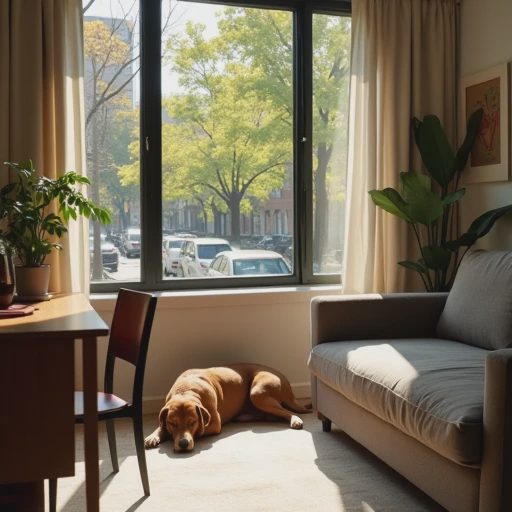
If you try a version of this and it helps (or doesn’t), I’m always interested to hear how it went. The more real examples we collect, the better the next person can do.
— Maren
A home that fits all of you — tail included.

No notes yet — write the first one.