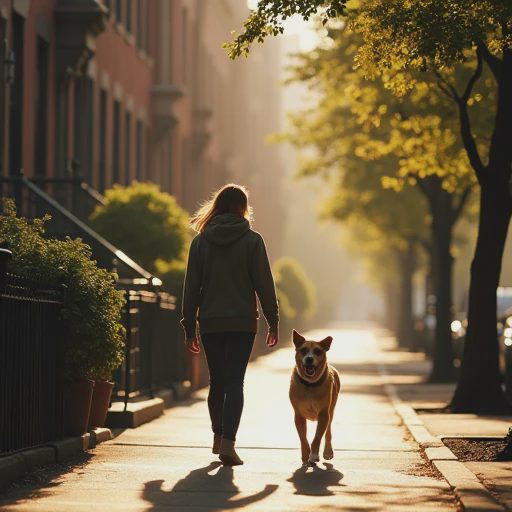
People love to ask me, “Where in Brooklyn is best for dogs?”
The honest answer is: it depends on your dog, your budget, and how much you’re willing to walk. But after years of showing apartments and spending weekends in actual dog runs with Noodle, some neighborhoods consistently make daily life easier than others.
Here’s the version I give clients — practical, a little opinionated, and based on what actually matters when you live with a dog.
1. Prospect Heights / Prospect Lefferts Gardens
Why it works: You’re next to Prospect Park, which is still one of the best large off-leash situations in the city when the rules allow it. Plenty of side streets for calmer walks, a solid number of brownstones and smaller buildings that are more open to pets than big new developments, and enough long-term residents that the “dog people” know each other.
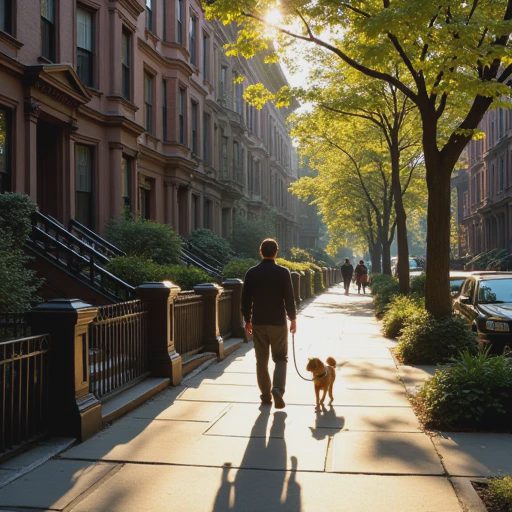
Watch-outs: Popular for a reason, so competition for true pet-friendly apartments can be real. Some of the larger elevators buildings near the park have gotten stricter.
Best for: Dogs who need real running space and people who want a neighborhood feel.
2. Bed-Stuy (certain pockets)
Why it works: More space between buildings than many parts of Brooklyn, a growing number of renovated one- and two-family houses that allow pets, and a network of smaller parks and community gardens. I’ve had good luck with landlords here who still make decisions themselves instead of through a rigid management company.
Watch-outs: Quality varies block by block. Some areas have less consistent sidewalk maintenance, which matters when you’re out in the rain with a dog who refuses to go on wet pavement.
Best for: People who want a bit more breathing room and are willing to learn the specific blocks.
3. Bushwick (the quieter edges)
Why it works: A surprising number of newer rentals and converted loft buildings that came online with more flexible pet policies. Lots of young renters with dogs, which creates a kind of informal acceptance. Several decent-sized dog runs and easy access to Maria Hernandez Park and other green spots.
Watch-outs: Some of the most Instagrammed blocks are loud, crowded, and not ideal for reactive or noise-sensitive dogs. The “cool” factor does not automatically equal dog-friendly management.
Best for: Medium-energy dogs and people who like a livelier street scene.
4. Bay Ridge
Why it works: This one doesn’t get enough attention. Wider sidewalks, a more residential pace, Shore Road and the waterfront paths, and a higher percentage of houses and smaller buildings. Many long-term owners are used to dogs and less likely to treat every pet as a crisis.
Watch-outs: Farther from Manhattan, which matters if you commute. Some of the bigger elevator buildings along the main avenues can still be hit-or-miss.
Best for: Dogs (and humans) who prefer calmer streets and actual walking routes that don’t feel like an obstacle course.
5. Ditmas Park / Midwood edges
Why it works: Tree-lined streets, larger apartments for the price, and a slower rhythm that suits a lot of dogs. You’re close enough to Prospect Park for weekend trips without living in the middle of the park’s intensity. I’ve found landlords here who are refreshingly straightforward about pets.
Watch-outs: Transit can feel like a project depending on where you are. Fewer 24-hour options if your dog has an emergency at 2 a.m.
Best for: People who want more square footage and quieter nights.
Honorable mentions
Cobble Hill / Carroll Gardens: Beautiful and walkable, with good small-park access, but inventory is tight and many buildings are picky.
Williamsburg (selected buildings): Some of the newer rentals are genuinely pet-friendly and have nice amenities, but the overall density and weekend crowds can be a lot for certain dogs.
Sunset Park: Improving green space and more reasonable rents, though the pet-policy landscape is still uneven.
What I actually look at when I evaluate a neighborhood for a dog
Meaningful green space within a 15-minute walk — not just a tiny triangle of grass.
Sidewalk and street character — wide enough to pass other dogs without constant tension.
Building stock — more small landlords and brownstones usually means more flexibility than big management companies.
Existing dog culture — places where you already see people out at 7 a.m. and 10 p.m. tend to be more accepting.
Backup options — a second park or run if the main one is closed or too crowded.
No neighborhood is perfect. A “dog-friendly” area with a strict 20-pound building policy still won’t work for your 50-pound mix. And a less trendy neighborhood with a relaxed landlord and a decent park can be a much better daily life.
If you’re starting a search, I usually tell people to pick two or three neighborhoods that fit their dog’s energy and their own transit needs, then dig into the actual pet policies building by building. The neighborhood gives you the container. The lease and the landlord decide whether you can actually live there with your animal.
I’ll go deeper on specific dog runs and green spaces in a future post. For now, treat this as a field guide from someone who has walked a lot of these blocks with a terrier mix who has opinions about everything.
Where are you looking? I’m always curious what’s working (or not) for people right now.
— Maren
A home that fits all of you — tail included.
No notes yet — write the first one.