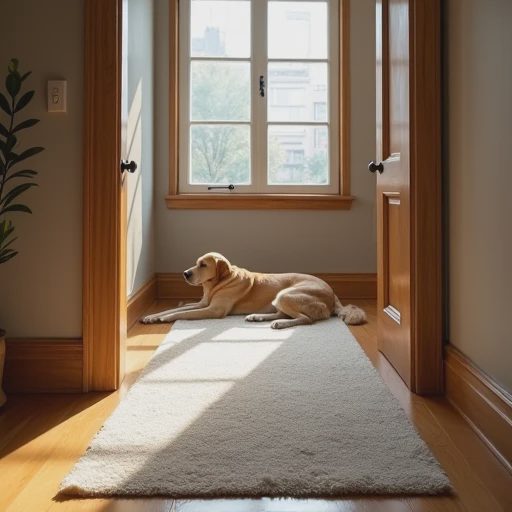
The goal of pet-proofing a rental is simple: keep your animal safe and keep your security deposit intact.
That second part is where a lot of well-meaning advice fails. Many “pet-proof your home” lists assume you own the place and can screw things into walls, replace carpet, or permanently block off rooms. In a New York rental, most of those options are either forbidden or expensive to reverse.
Here’s the version I give clients — focused on what actually works in a temporary space and what landlords are most likely to notice when you move out.
1. Start with the things that get dogs and cats in trouble fastest
Cords and chargers
Loose cables are irresistible and dangerous. Use cord covers, Velcro sleeves, or simply run them behind furniture whenever possible. For lamps and routers that have to stay accessible, a bit of bitter apple spray on the cord (tested on a small area first) is often enough to discourage chewing.
Trash cans
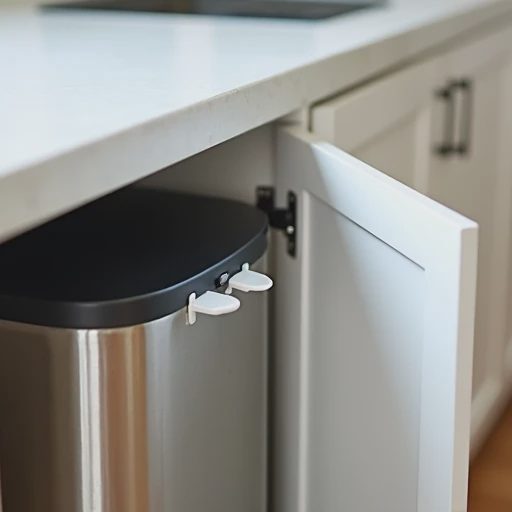
A basic step-on can with a locking lid solves more problems than most people expect. If your dog is a determined counter-surfer or trash diver, look for one with a locking mechanism or place the can inside a cabinet with a childproof latch (the adhesive kind that doesn’t damage cabinets).
Houseplants
Many common plants are toxic. Move them up high or, better, swap them for pet-safe options while you live there. If you want to keep a non-safe plant, put it in a room the pet doesn’t have unsupervised access to.
2. Protect the floors and baseboards without permanent changes
Landlords notice floor damage. A few practical, removable solutions:
Use washable rugs or runners in the highest-traffic paths (entryway to living room, hallway to bedroom). They hide minor scratches and catch dirt before it grinds into the finish.
Nail-cap protectors or soft paw covers can reduce scratches on hardwood if your dog skids around corners. Not every dog tolerates them, but they’re worth trying.
For baseboards that already show wear, keep nails trimmed. Most “dog damage” to baseboards is just the accumulation of small, repeated scratches.
When you move out, take the rugs with you. The floor underneath should look the same as (or better than) when you arrived.
3. Furniture and upholstery
If your cat scratches or your dog claims the couch:
Sticky paw tape or plastic protectors on the corners of sofas can redirect scratching without damaging fabric.
A well-fitted throw or slipcover (the kind that actually stays in place) protects the original upholstery and can be removed on move-out day.
Double-sided tape or aluminum foil on forbidden surfaces works for some cats as a temporary deterrent while you train an alternative scratching post.
Avoid anything that leaves residue or permanent marks. If you do use adhesive products, test a small hidden area first and remove them carefully well before move-out.
4. Windows, screens, and high places (especially for cats)
New York windows are a real risk. Make sure screens are secure. If they’re flimsy, add a secondary barrier (a tension rod with mesh, or a removable window guard that doesn’t require drilling if possible). Never leave a cat unattended on a high floor with an open, unscreened window.
For cats who love high perches, a sturdy cat tree or window perch that sits on the floor or clamps without hardware is safer for both the cat and your deposit than anything that screws into walls or windowsills.
5. The bathroom and cleaning supplies
Keep the toilet lid closed if your dog likes to drink from it.
Store cleaners, medications, and any xylitol-containing products well out of reach or in latched cabinets.
A simple adhesive childproof latch on the cabinet under the sink is reversible and prevents a lot of emergency vet visits.
6. What I tell people to document
Before you do any of the above, take clear move-in photos and videos — especially of floors, baseboards, doors, and windowsills. Date them. If your landlord later claims pet damage that was already there, you’ll be glad you have the record.
When you move out, do a thorough cleaning and take another full set of photos after everything is removed. Normal wear and tear is not the same as damage. Pet hair in the corners is expected; chewed baseboards and deep carpet stains are not.

7. A few things I generally avoid in rentals
Permanent gates that require drilling into walls or door frames
Sticky traps or anything that leaves residue on hardwood
Replacing carpet or painting over scratches without written permission
Anything you can’t fully reverse in an afternoon
If a modification feels even slightly permanent, ask the landlord or agent first and get the answer in writing.
The real standard
You do not need a perfectly sterile, dog-proof fortress. You need a space where your pet is reasonably safe and where the apartment can be returned in the condition the lease requires (ordinary wear and tear excepted).
Most security deposit deductions I’ve seen related to pets come from the same few issues: floor finishes, baseboard damage, strong lingering odors, and uncleaned hair in vents or radiators. Addressing those areas early is more effective than trying to pet-proof every square inch of the apartment.
Live in the place. Let your dog or cat live there too. Just do it in a way that doesn’t leave permanent evidence.
If you’ve found particular products or methods that worked well in a rental (and came out cleanly at the end), I’m always interested to hear them. The more practical solutions we share, the fewer people have to learn the expensive way.
— Maren
A home that fits all of you — tail included.
No notes yet — write the first one.