When your dog is chewing one paw through the night, an apartment can feel very small very quickly. You hear every lick from the next room, worry about irritated skin, and start searching for apoquel for dogs dosage before your morning walk. I understand the impulse, especially after a long evening in a Brooklyn walk-up with an itchy terrier underfoot. Still, Apoquel is a prescription medication, and the correct amount depends on your dog's weight, health history, symptoms, and the tablet strength your veterinarian prescribed.
This guide is here to help you prepare for that veterinary conversation, not replace it. Do not adjust the dose, split tablets, restart an old prescription, or combine itch medicines without professional direction. A short call to your vet can prevent a wrong calculation and help identify whether allergies, fleas, infection, or another problem is causing the scratching.
What Apoquel does for itchy dogs
Apoquel contains oclacitinib, a medication that targets signaling involved in canine itching and inflammation. Veterinarians commonly prescribe it for allergic itch, including irritation connected with environmental triggers or certain skin allergies. It is not an antibiotic, antifungal, flea preventive, or universal treatment for every rash.
That distinction matters. A dog licking between the toes might have allergies, but could also have a yeast infection, a splinter, contact irritation from sidewalk salt, or a damaged nail. Apoquel can reduce the urge to scratch while the underlying issue remains. Your vet may examine the skin, check for parasites, review diet and seasonal patterns, and recommend testing before deciding on a treatment plan.
The product is available in different tablet strengths, so a label that looks simple can still create confusion. The apoquel for dogs dosage should be calculated from the dog's body weight and the veterinarian's instructions, not from a friend's prescription or a search result about a similarly sized dog. Puppies, senior dogs, and dogs with other medical conditions need especially careful review.

How veterinarians determine the right amount
When a vet discusses apoquel for dogs dosage, the conversation usually begins with weight. The clinician then considers the schedule, tablet strength, duration of treatment, and whether the medicine is appropriate for that particular dog. The initial treatment plan can differ from a later maintenance plan, which is one reason an old bottle should not become a dosing guide.
Have these details ready for the appointment or phone call:
- Your dog's current weight, ideally from a recent veterinary visit.
- The exact product name and tablet strength printed on the bottle.
- The time and amount of the last dose, if one was already given.
- Other medications, supplements, flea products, or special diets.
- Any vomiting, diarrhea, coughing, fever, wounds, or unusual tiredness.
- A photo of the rash or a short video of the scratching if symptoms come and go.
Ask your veterinarian to write the instructions in plain language: how many tablets, how often, for how many days, and what to do if you miss a dose. I like having the clinic put the directions in the discharge notes as well as on the label. That is useful when one person leaves for work from Astoria while another handles the evening walk in the rain.
Safety questions worth asking before the first dose
Apoquel is not suitable for every dog. Your veterinarian may avoid it or use extra caution in dogs with certain infections, immune-system concerns, or other health problems. Tell the clinic if your dog has a history of serious illness, recurring infections, cancer, or unexplained weight loss. Also mention pregnancy or breeding plans when relevant.
Possible side effects can include vomiting, diarrhea, reduced appetite, or unusual tiredness. Contact your veterinarian if these signs are persistent, severe, or accompanied by other concerning symptoms. Seek prompt veterinary help for facial swelling, trouble breathing, collapse, repeated vomiting, or a rapidly worsening skin condition. Those signs need attention rather than a home dose adjustment.
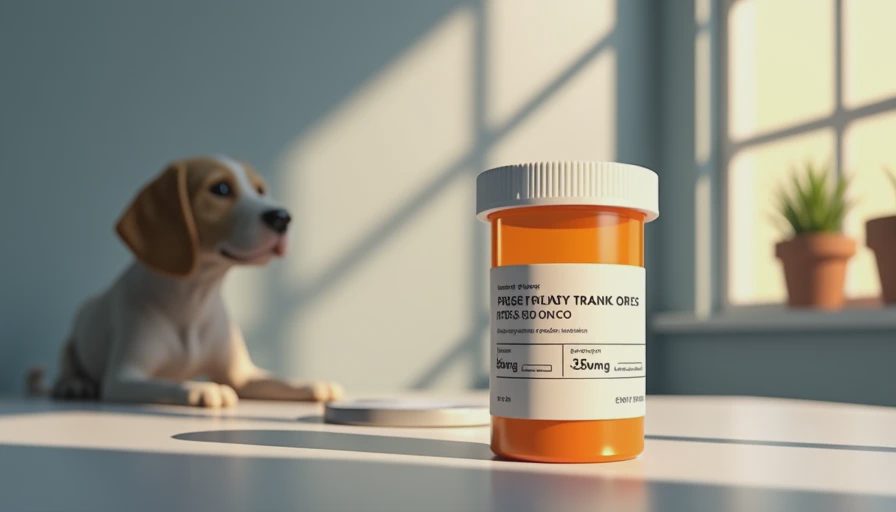
Never give human allergy medicine as a substitute unless your vet specifically tells you which product and amount to use. Combination cold medicines can contain ingredients that are dangerous to dogs. Keep the prescription in its original container, store it where curious noses cannot reach it, and do not leave loose tablets in a coat pocket or on a kitchen counter.
Making an itchy dog more comfortable at home
Medication is only one piece of an allergy plan. Wash bedding regularly with a fragrance-free detergent, vacuum the places where your dog sleeps, and rinse paws after walks when sidewalk grime or seasonal pollen is a likely irritant. In a small apartment, a washable mat beside the door can keep damp, dirty paws from transferring irritants to the sofa and rug.
Watch for patterns instead of guessing. Note whether itching spikes after time in a dog run, after a new treat, during a humid week, or after a visit to a particular grassy area. A simple phone note with the date, symptoms, food, walks, and medication can give your vet useful information. If your dog wears a sweater or booties, wash them often and stop using anything that rubs the skin.
Do not bathe repeatedly with harsh shampoo. Overwashing can dry the skin and intensify discomfort. Ask your vet which cleanser, conditioner, or bathing schedule fits your dog's condition. If there are open sores, a strong odor, hair loss, or discharge, schedule an examination rather than relying on itch relief alone.
A simple plan for busy city households
Before picking up the prescription, save the veterinary office number in your phone and confirm its after-hours instructions. Put the medication and written directions in one consistent location. If a dog walker, roommate, or partner may give a dose, send the exact instructions in writing instead of saying, “Give the usual amount.” That phrase is how preventable mix-ups happen.
For apoquel for dogs dosage questions, ask the vet to confirm whether food is acceptable, what happens if a dose is missed, and when improvement should be expected. Do not double the next dose unless the clinic explicitly directs you. If the itching is unchanged, worsens, or returns immediately after treatment ends, report that pattern; the answer may involve a skin infection, parasite prevention, environmental control, diet evaluation, or a different medication strategy.
A quick checklist helps during a hectic week:
- Confirm the dog's current weight.
- Read the tablet strength from the prescription label.
- Record each dose after it is given.
- Keep all other medications visible to the vet.
- Photograph changes in the skin.
- Arrange follow-up if symptoms persist.
The bottom line for pet parents
Searching for apoquel for dogs dosage is often a sign that you are trying to help quickly, and that instinct is good. The safest next step is not copying a chart or estimating from another dog. It is confirming the prescription with the veterinarian who knows your pet's weight, history, and examination findings.
With clear instructions, a written routine, and a little tracking, most households can make treatment less stressful. Your dog can settle into a comfortable corner, you can sleep without listening to constant scratching, and your home can feel like home again. That is the goal I want for every renter and every pet: a home that fits all of you — tail included.



No notes yet — write the first one.