When your dog has an accident on the apartment rug at 2 a.m., you want a simple answer. An anti diarrhea supplement for dogs can support a mild stomach upset, but the right choice depends on what caused the diarrhea, how long it has lasted, and how your dog is acting. This is especially important in a city apartment, where a loose-stool emergency can turn into a frantic elevator ride down to the sidewalk.
A supplement is not a substitute for veterinary care. Diarrhea can follow a new treat, stressful travel, a sudden food change, parasites, infection, or a more serious illness. If your dog is bright, drinking water, and otherwise comfortable, supportive care can be reasonable for a short period. If your dog seems sick, skip the supplement aisle and call a veterinarian.
When a Supplement Makes Sense
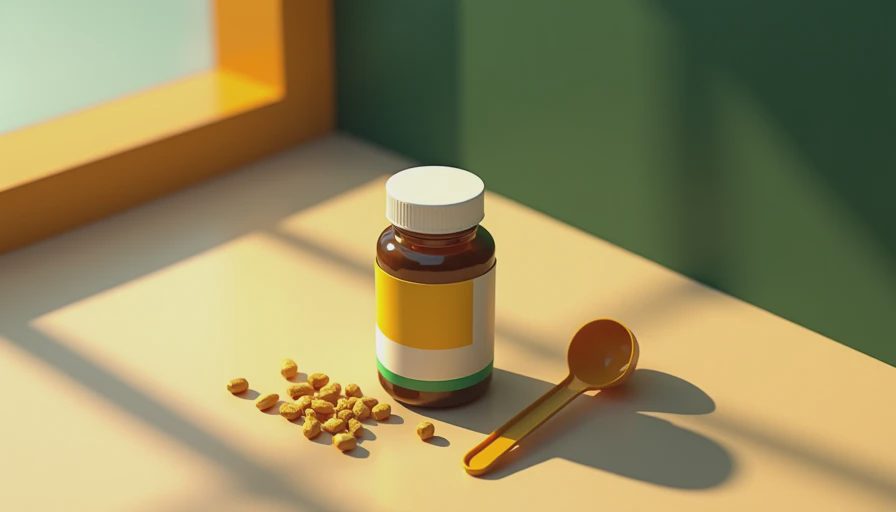
A mild episode after a small diet change is the situation where an anti diarrhea supplement for dogs is most likely to be useful. Many products contain canine probiotics, soluble fiber, or both. Probiotics are beneficial microorganisms intended to support the gut microbiome. Fiber can help add structure to stool and regulate digestion, although too much can cause gas or make discomfort worse.
Look for a product made specifically for dogs, with a clear ingredient panel and feeding instructions based on weight. A reputable brand should identify the probiotic strains or explain the fiber source rather than relying on vague promises such as “detox” or “instant cure.” Products from established veterinary supplement companies, including Purina Pro Plan Veterinary Supplements, Nutramax, and Vetoquinol, are commonly discussed with veterinarians because their labels and intended uses are clearly presented. That does not make every product right for every dog.
A powder mixed into food can be easier for a picky terrier than a large chew. For a dog that refuses meals, however, hiding a supplement in dinner will not solve the immediate problem. Fresh water matters more than any powder. Keep the bowl clean and offer small amounts frequently if your dog is willing to drink.

Ingredients Worth Understanding
The most common ingredient in an anti diarrhea supplement for dogs is a probiotic such as Enterococcus faecium or a blend of canine-friendly strains. Another product may use pumpkin, psyllium, inulin, or another prebiotic fiber. “Prebiotic” means a substance that helps feed certain gut bacteria; it is different from a probiotic, which supplies microorganisms.
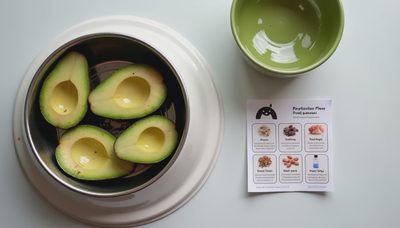
Plain canned pumpkin is sometimes used as a gentle source of fiber, but pumpkin pie filling is not appropriate because it can contain sugar, spices, or other additives. A veterinary professional can help you decide whether pumpkin or a formulated supplement makes sense for your dog’s size and condition. Start with the label’s lowest recommended amount instead of adding several digestive products at once. If the stool worsens, you need to know which change caused the reaction.
Avoid supplements containing ingredients your dog has reacted to before. Be cautious with products that contain multiple herbs, essential oils, or high levels of minerals without a clear purpose. “Natural” does not automatically mean safe, especially for a puppy, senior dog, pregnant dog, or pet taking prescription medication.
Red Flags That Need a Vet
Do not rely on an anti diarrhea supplement for dogs when diarrhea is accompanied by blood, black or tarry stool, repeated vomiting, severe belly pain, collapse, pale gums, fever, or marked weakness. Dehydration can become dangerous quickly, particularly in puppies, toy breeds, and older dogs. A dog that cannot keep water down needs prompt professional advice.
Call your veterinarian if loose stool continues, keeps returning, or follows a known toxin exposure. Bring a fresh stool sample if the clinic requests one; a clean container or sealed bag can make testing easier. If your dog may have swallowed medication, chocolate, grapes, xylitol, or a household chemical, contact a veterinary poison service or emergency clinic instead of waiting for a supplement to work.
In New York City, it is also worth planning before the emergency happens. Save the number and address of a nearby regular vet and identify the closest 24-hour animal hospital. When you are moving into a new building, ask the superintendent or a neighbor with a dog which clinic residents actually use, but verify hours directly before relying on the information.
How to Use One Carefully
Choose one product and follow its weight-based directions. Do not double the amount because the first dose did not produce an immediate change. Supplements often support digestion over a day or two, while the underlying cause may still need treatment. Continue offering the dog’s normal water supply, and ask your vet whether a temporary bland diet or a veterinary gastrointestinal diet is appropriate.
Keep meals small and avoid rich treats, table scraps, new chews, and fatty foods during recovery. A busy dog may pick up something unpleasant near a trash can or sidewalk tree pit, so use a short leash and watch what goes into the mouth. In a walk-up, take extra trips outside rather than expecting your dog to hold an unsettled stomach. Put washable pads near the door while you monitor symptoms; that is practical, not a sign that you have failed at house training.
Never give human anti-diarrheal medicine unless a veterinarian specifically instructs you to do so. Products containing loperamide or bismuth can be unsafe for some dogs and may mask symptoms that need evaluation. Ask before combining a supplement with antibiotics, steroids, or other medication.
A Simple Recovery Plan for City Dogs
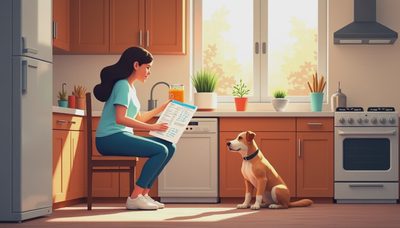
Start by writing down the time the diarrhea began, its frequency, the stool appearance, recent foods, and any new medication. That short log gives your vet useful information and helps you notice improvement. Next, remove rich foods and make water easy to access. If your dog is comfortable and the episode is mild, contact your clinic about an anti diarrhea supplement for dogs and confirm the correct dose for your pet’s weight.
During the next 24 hours, watch energy, appetite, drinking, vomiting, and bathroom frequency. Improvement means fewer episodes and a dog who is returning to normal behavior, not necessarily a perfect stool after one serving. Once stools are normal, transition back to the regular diet gradually instead of celebrating with a large treat or greasy table bite.
For apartment renters, prevention also protects your relationship with neighbors. Keep enzyme cleaner, paper towels, spare poop bags, and an old towel beside the exit. Tell a landlord only what is necessary if an accident damages flooring, and clean promptly according to the lease. A well-prepared pet home is easier to manage on a fifth-floor walk-up or a crowded elevator route.
The Bottom Line
An anti diarrhea supplement for dogs can be a useful tool for a short, mild digestive upset, especially when it contains clearly identified probiotics or appropriate fiber. It cannot diagnose parasites, infection, obstruction, poisoning, or dehydration. Choose a dog-specific product, use the labeled amount, avoid human medication, and call your vet when symptoms are severe, persistent, or unusual.
Noodle, my terrier mix, has taught me that the best pet setup is the one prepared before the mess: a clinic number saved, a washable runner by the door, and a calm plan for the next walk. That is how you build a home that fits all of you — tail included.


No notes yet — write the first one.