If you are wondering what pets are illegal in New York State, the short answer is that most everyday pets are fine, but wild animals and a few dangerous species are not. When I walk renters through a lease in Brooklyn or Queens, I split the question in two: the state’s animal rules, then the building’s pet policy. A golden retriever, a cat, or a hamster is one conversation; a raccoon, a monkey, or a venomous snake is another. If you are moving with an unusual animal, get the answer before you pay an application fee.
The animals New York usually bans
New York generally does not let regular people keep wild animals as household pets. That usually means primates, bears, wolves, coyotes, foxes, raccoons, skunks, bobcats, and other native wildlife. Dangerous reptiles are also a problem. Venomous snakes are the obvious example, and animals like alligators or crocodiles are not the kind of thing a normal apartment can safely handle. In plain language, if the pet would make a landlord, a superintendent, or an insurance company nervous, it is probably not a simple yes.
This is where renters get tripped up. A friend says they saw one in a film, a breeder says it is tame, or an online group says the animal is legal with the right paperwork. Maybe, but that is not the same as being rental-ready. A lease can still say no, a co-op board can still say no, and a building with thin walls or shared hallways can still decide the risk is too high. I tell people to think less about what sounds cute and more about what a building can realistically live with.
What is usually fine in a normal apartment
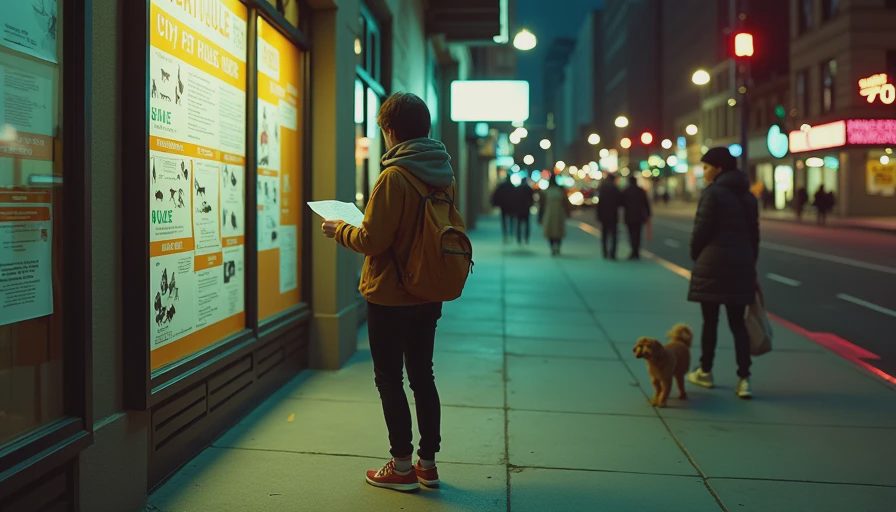
Most standard pets are not the problem. Dogs and cats are the obvious ones, and many renters also live happily with rabbits, guinea pigs, hamsters, gerbils, fish, and small birds when the building allows them. The real key is whether the animal is domesticated and manageable inside a regular apartment. If it stays in a tank, cage, or carrier and does not create a safety issue, you are usually in much better shape than with a wild or exotic animal.
One New York wrinkle is ferrets. They are legal in New York State, but not in New York City, which is why a lot of renters get confused when they move between boroughs or come from upstate. I have seen more than one person assume state legal means fine everywhere in the state and city, then get surprised when a landlord in Manhattan says no. That is the kind of detail that costs time, so it is worth knowing before you fall in love with a listing on East 10th or a garden apartment in Astoria.
A second wrinkle is that local rules can be stricter than state rules. That does not mean every unusual pet is forbidden, but it does mean the answer is never just one line on a search result. If you are serious about moving with a pet that is not a dog or cat, check both the state rule and the exact city or building rule.
What landlords care about even when the animal is legal
A legal pet can still be blocked by the lease. That part is easy to miss when you are focused on the state law. Many buildings care about weight, breed, number of pets, or whether the animal has to go through a common hallway, lobby, or elevator. Some rentals charge pet rent, some ask for a refundable pet deposit where allowed, and some simply want written approval attached to the lease. Co-ops are often stricter than rentals, and older walk-ups can be less flexible than newer doorman buildings.
This is also where service animals and emotional support animals need to be handled separately from ordinary pets. They are not treated like a regular pet add-on in housing conversations, so do not let a landlord lump everything together in one bucket. If that part applies to you, get the request in writing and keep the paperwork clean. If it does not, keep the conversation focused on the species, the size, and the lease language.
The practical version is simple: even if you already know what pets are illegal in New York State, you still need to ask what this building allows. I have seen plenty of clean, well-kept, pet-friendly apartments reject a legal animal because the owner did not want the headache. That is annoying, but it is not the same thing as a state ban.

Two quick renter scenarios
Last month, a renter asked me about a ball python in a one-bedroom near Prospect Park. The issue was not just the snake itself; it was whether the building, the insurer, and the lease would all agree. Another renter asked about two cats in a prewar co-op on the Upper West Side. That one was simple: the board wanted photos, vaccine records, and a pet registration form, then approved it. Same city, very different outcome. That is why this question matters more than a generic pet-friendly label. The word pets can mean three different things in the same building.
I see the same pattern in older elevator buildings and new glassy towers. One place may welcome a quiet cat but refuse anything that needs special handling. Another may be relaxed about size and strict about species. If you are house hunting with a pet, the smarter move is to ask about the building’s real tolerance, not just the listing headline. That one extra email can save you from applying to the wrong apartment and starting your move with a headache.
How to ask before you apply
When I want a straight answer, I tell renters to email the landlord or listing agent before they submit anything. You can keep it plain: 'I plan to move in with a [animal], and I want to confirm in writing that the building allows it before I apply.' That one sentence does a lot of work. It tells the other side exactly what species you mean, and it gives you a paper trail if someone changes the story later.
If the pet is unusual, ask about the full setup, not just the animal itself. Ask whether there is a pet addendum, whether the building has a size limit, whether common areas matter, and whether the board or owner wants current vaccination records. If you are in a New York City building, ask whether the answer changes by borough or by unit type. I know that sounds fussy, but it is faster than paying for an application and finding out the answer after the fact.
For a renter with a dog or cat, this is usually a short conversation. For a renter with anything more unusual, it is a checklist. That is the real difference between a smooth move and a week of back-and-forth.
The easy way to think about it
If you are still asking what pets are illegal in New York State, start with this rule of thumb: wild animals, venomous animals, and animals that create a real safety risk are the ones to worry about first. Domestic pets are usually fine, but the building still gets the final say for ordinary rentals. That means the smartest move is to get the animal question settled before you get attached to a place on a beautiful block in Brooklyn, a walk-up near the 1 train, or a small studio off the LIRR.
In other words, do not let the pet search become the last-minute surprise. Ask early, ask in writing, and keep the answer with your other move-in paperwork. That is how you avoid a mess and get closer to a home that fits all of you — tail included.


No notes yet — write the first one.