Searching for pet friendly houses for rent in college station can feel like a second job when every promising listing comes with a vague pet policy or an unexpected fee. Take a breath. You do not need to choose between a comfortable home and the dog or cat who makes it feel like home. With the right questions, a realistic budget, and a careful lease review, you can find a rental that works for everyone, tail included.
College Station has a mix of detached houses, duplexes, townhomes, and student-oriented rentals. That variety is helpful, but listings use “pet friendly” in different ways. One owner may welcome two dogs with a refundable deposit, while another may allow only one indoor cat. Before you schedule a showing, look for the exact animal limit, breed or size restrictions, pet rent, deposit, and yard rules. If the listing says only “pets considered,” send a message before investing time in a tour.
How to Search Pet Friendly Houses for Rent in College Station
Start with the home itself, not just the monthly rent. A $1,700 house with a $35 monthly pet charge and a $500 nonrefundable fee has a different first-year cost than a $1,800 home with no recurring pet rent. Ask whether the yard is fenced, whether the fence has gaps, and who handles lawn care. A private yard can be a wonderful convenience, but it is not a substitute for daily walks, shade, secure gates, and nearby veterinary care.
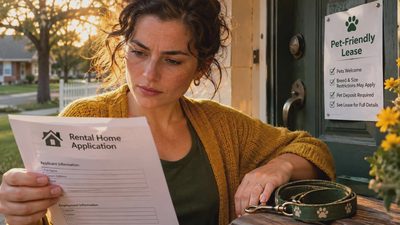
When comparing pet friendly houses for rent in college station, search across several sources rather than relying on one listing feed. Property managers, owner-listed rentals, and larger apartment websites often show different inventory. Set alerts for houses, duplexes, and townhomes, then respond quickly when a suitable place appears. Have your application materials ready: photo identification, proof of income, rental references, contact information for your current landlord, and a short pet profile.
That profile can make you look prepared instead of defensive. Include your pet’s name, age, approximate weight, vaccination status, training history, and whether the animal is housebroken. A simple sentence such as, “My seven-year-old indoor dog is housebroken, crate-trained, and has lived in rentals without complaints,” gives an owner useful information without overselling.

Read the Pet Clause Before You Apply
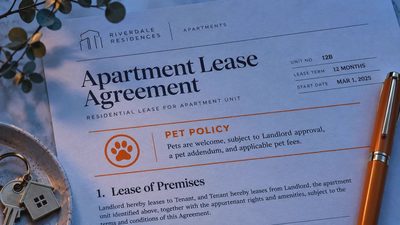
The advertisement is not the agreement. The lease controls what you can actually do after move-in, so ask for a sample lease when possible. Look for language covering the number of animals, approved species, weight limits, nuisance behavior, damage, flea prevention, waste removal, and access to shared areas. If the listing welcomes pets but the lease says written approval is required, get that approval in writing before signing.
Pet rent is usually a recurring monthly charge added to your rent. A pet deposit is money held for possible damage, while a nonrefundable pet fee is charged at the beginning and generally is not returned. The amount and legal treatment can depend on the lease and applicable Texas rules, so ask the manager to identify each charge clearly. Request a written breakdown showing rent, security deposit, pet charges, application costs, utilities, and any administrative fees.
Use a friendly, direct message when something is unclear: “I love the house and would like to apply. I have one 45-pound, house-trained dog. Can you confirm the total move-in cost, monthly pet rent, deposit terms, and whether the fenced yard is included?” This question often saves an unnecessary application fee and gives you a record of the answer.
Choosing a House That Works for Your Pet
A good rental is more than a place that permits animals. Walk the block at the time you would normally exercise your pet. Notice traffic, sidewalks, lighting, drainage, loose dogs, and where you would take out waste. In College Station’s warm weather, inspect outdoor areas for reliable shade and check whether the air-conditioning system appears well maintained. A pet can become uncomfortable quickly in a poorly cooled home.
Inside, look at flooring, doors, windows, and staircases from an animal’s perspective. Smooth floors can be easier to clean but slippery for older dogs. A cat may turn a loose window screen into an escape route. Check that gates latch securely and that there are no exposed wires, peeling materials, or accessible chemicals in storage areas. Photograph existing scratches, stains, damaged blinds, and yard concerns during the move-in inspection.
For renters comparing pet friendly houses for rent in college station, commute and routine matter too. A home that is ten minutes farther from campus or work may be worthwhile if it offers a safer walking route and a quiet place for your pet to settle. Conversely, a large yard will not help much if the house leaves you exhausted after a long daily commute.

Budget for the Real Cost of Moving With a Pet
Build a pet-specific line into your moving budget. Common expenses include an application fee, security deposit, pet fee or deposit, first month’s rent, renters insurance, moving supplies, a crate, identification tags, and a veterinary visit. Even when a landlord does not charge pet rent, you may spend $100 to $300 on replacement screens, baby gates, enzyme cleaner, or a professional carpet cleaning at move-out.
Renters insurance is also worth reviewing. Liability coverage can help with certain covered incidents, but policies differ and some animals or claims may have exclusions. Ask the insurer for a plain-language explanation rather than assuming every pet-related event is covered. Keep your lease, vaccination records, pet agreement, and move-in photos together in a digital folder.
If the monthly price is close between two pet friendly houses for rent in college station, compare the full twelve-month total. A $30 monthly pet charge adds $360 per year. A $500 refundable deposit affects move-in cash flow but may be returned if the lease conditions are met. Looking at the complete cost makes the decision calmer and prevents a low advertised rent from becoming an expensive surprise.
Application Tips That Help You Stand Out
Apply with accuracy, not urgency. List every animal honestly, including a cat that stays indoors or a small pet that is usually kept in a habitat. Misrepresenting the household can create a lease violation later. Provide references that can speak to cleanliness, timely rent payments, and responsible pet care. If you have a previous landlord, ask permission before sharing contact details.
Do not offer medical documentation for an assistance animal unless it is relevant and properly requested through the appropriate housing process. Service animals and assistance animals are not handled exactly like ordinary pets, and a landlord’s pet fee rules may not apply in the same way. Keep the conversation factual and focused on the accommodation process rather than making promises you cannot support.
A short introduction can help: “We are looking for a long-term home for two adults and one indoor cat. We keep a clean home, can provide rental references, and are happy to follow the property’s written pet rules.” It sounds responsible because it is responsible. The goal is not to charm someone into ignoring the lease; it is to find an owner whose expectations match yours.
Your Move-In Plan for a Smoother First Week
Before bringing your pet inside, remove hazards, secure windows, test gates, and identify the quietest room. Bring familiar bedding, food, medication, toys, and a carrier. Keep the first evening simple. Let your dog explore gradually, or give your cat one prepared room before opening the rest of the house. Update the microchip address, locate a nearby veterinarian, and save an emergency clinic number before you need it.
For many renters, pet friendly houses for rent in college station become easier to find once the search is organized around the lease, the neighborhood, and the animal’s daily routine. Ask precise questions, document the property, calculate the full cost, and never rely on a casual promise that is missing from the agreement. The best rental is a home that fits all of you — tail included.



No notes yet — write the first one.