Searching for pet friendly apartments for rent can feel like a second job, especially when every listing seems to hide the words “case by case” somewhere in the fine print. I have helped hundreds of New York renters move with dogs and cats, and the good news is that you do not have to choose between a reasonable apartment and the animal you love. You need a sharper search, a complete pet profile, and a lease you understand before you sign.
Start with the building, not just the apartment
A listing that says “pets welcome” is only the beginning. In a New York building, the landlord, management company, co-op board, or condominium rules can all affect whether your pet is truly accepted. Ask specific questions before scheduling a showing: Are dogs and cats allowed? Is there a weight or breed restriction? Are there limits on the number of pets? Is a pet fee, deposit, or monthly rent required? Does the elevator have a pet policy?
For pet friendly apartments for rent, I also look at the practical details that never make it into the first paragraph of an advertisement. A fifth-floor walk-up in Bushwick might be charming, but carrying a senior dog up those stairs three times a day is a different lifestyle. A small elevator near Court Street may be more useful than a larger apartment several blocks from the nearest green space. Walk the block at the time you expect to take your dog out, and notice lighting, sidewalk traffic, noise, and nearby construction.
When you contact a broker or landlord, use a clear opening message: “I am interested in the apartment and want to confirm that my 22-pound, house-trained dog is permitted under the lease. I can provide vaccination records, a photo, and references from my current landlord.” That sentence saves time and signals that you are organized.

Build a pet resume before you apply
A pet resume sounds a little formal until you realize how useful it is. Put the pet’s name, age, species, approximate weight, breed or mix, vaccination status, and daily routine on one page. Add a pleasant photo, your veterinarian’s contact information, and a short note about training. If your dog has lived in an apartment without complaints, say so. For a cat, mention litter-box habits and whether the cat is indoor-only.
This packet can make your application stand out when several renters want the same place. Include a prior landlord reference if you have one, but never send sensitive medical or financial documents before you know who is requesting them and why. A neat profile is enough to answer the questions most property owners actually have: Will the animal damage the apartment, disturb neighbors, or create extra work?
The strongest applicants also explain their plan. You might write, “My terrier gets a morning walk, a midday break with a sitter, and an evening walk. She is crate-trained and has lived in a Brooklyn walk-up for four years.” That is more reassuring than simply writing “friendly dog.”
Read the pet clause line by line
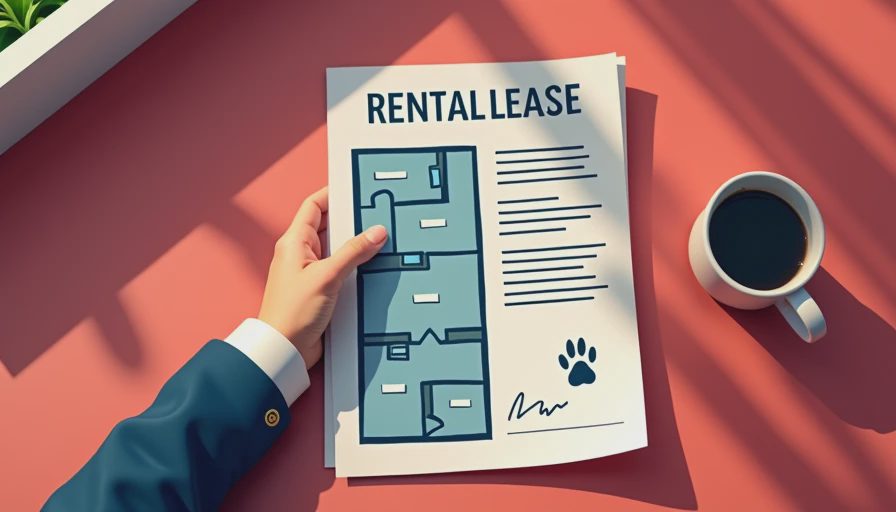
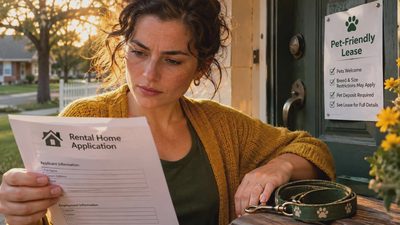
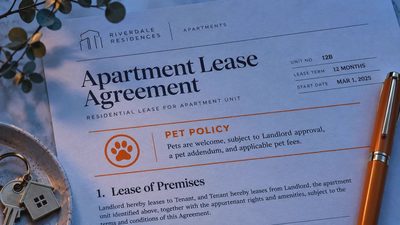
Once you find pet friendly apartments for rent, ask for the lease or rider before paying an application fee whenever possible. Look for the exact permission language. “Tenant may keep one dog” is much clearer than “pets considered.” Check whether permission applies to your specific animal and whether a future replacement pet requires written approval.
Pay close attention to charges. A pet deposit is usually a refundable amount held under the lease, while pet rent is a recurring monthly charge. A one-time fee may be nonrefundable. The dollar amount can vary widely, from no added cost to several hundred dollars upfront and $25 to $100 per month. Ask where each charge appears in the lease and when it is due.
Also review rules about common areas, barking, waste disposal, damage, and guests’ animals. Some buildings require pets to be carried through a lobby or use a particular elevator. Others prohibit leaving a dog unattended for long periods. These rules are manageable when they are clear; they become stressful when a vague clause gives management room to change expectations later.
Choose a neighborhood that supports your routine
The best apartment for a pet is not necessarily the one with the biggest living room. In Manhattan, a location near Riverside Park or the East River paths can make daily walks easier. In Brooklyn, renters often compare the blocks around Prospect Park, McCarren Park, Fort Greene Park, or smaller neighborhood dog runs. In Queens, access to a quieter sidewalk network may matter more than being close to a famous park.
Think through your actual weekday. If you commute from Atlantic Terminal, would you rather live near the station with a compact apartment or farther away with a fenced outdoor area? If your dog dislikes crowded sidewalks, a busy stretch near a major avenue may be exhausting. Cats need a calmer indoor setup, secure windows, and a place for a litter box away from food and heavy foot traffic.
For pet friendly apartments for rent, I recommend standing outside the building for ten minutes before a showing. Watch how residents handle leashes, whether dogs gather near the entrance, and whether the sidewalk feels comfortable after dark. You are not just renting square footage; you are joining a small daily ecosystem.
Negotiate without making it awkward
Landlords are often more receptive when you replace uncertainty with documentation. Offer a pet resume, references, renter’s insurance, and a written plan for cleaning or professional treatment at move-out. If the owner is worried about damage, ask whether a specific, lawful fee or rider would resolve the concern. Do not promise unlimited liability or agree to unclear terms simply to win the apartment.
A useful email sounds like this: “I would love to move forward. Would you consider approving my cat with a $300 refundable deposit, provided the lease identifies the animal and the deposit terms clearly?” Another option is asking for a slightly higher security deposit only when permitted and properly documented. In New York, security-deposit rules are specific, so the lease should explain the arrangement rather than relying on a verbal promise.
Be careful with “no pets” language too. In some situations, service animals and assistance animals are treated differently from ordinary pets under fair-housing rules. An assistance animal is not automatically approved because a renter wants one, and documentation requirements can be sensitive. If this applies to you, get qualified guidance and keep the conversation factual.
Make the first week easier
After signing, pet-proof the apartment before bringing your animal home. Secure window screens, hide electrical cords, cover radiator pipes if needed, and measure the doorway for gates or crates. For a cat, choose a quiet room for the first few days. For a dog, identify the closest relief spot and take the same route repeatedly so the block becomes familiar.
In a walk-up, keep a lightweight leash, waste bags, and treats near the door. In an elevator building, practice waiting calmly in the lobby and step aside for neighbors who are uncomfortable around animals. Introduce yourself to the super or doorman and ask how maintenance visits are scheduled. A small courtesy, such as wiping muddy paws before entering, can prevent many neighbor complaints.
The right pet friendly apartments for rent give you room to build a routine, not just a place to sleep. If you search beyond the headline, prepare your pet’s information, and read every clause, the process becomes far less mysterious. Your goal is simple: a home that fits all of you — tail included.

No notes yet — write the first one.