Finding apartments for rent that are pet friendly in New York can feel like a second job, especially when every listing seems to hide one important detail. Is the dog actually allowed, or only a cat under 15 pounds? Is there a pet fee? Does the elevator permit large dogs? After years of helping renters and their pets move through Brooklyn, Queens, and Manhattan, I have learned that the right apartment is out there. You just need to search for the complete answer, not only the cheerful phrase in the listing.
What “pet friendly” should mean in a listing
A genuine pet-friendly listing tells you more than “pets welcome.” Look for the allowed animal types, weight or breed limits, number of pets, monthly charges, one-time fees, and building rules. A listing that says “case by case” is not automatically bad, but it means your pet needs landlord approval before you spend money on an application.
When I contact a broker, I ask one direct question: “Can you confirm in writing that this specific apartment and building allow my dog or cat, including the pet’s approximate size?” That wording matters. A landlord may approve a terrier in one unit while a building’s insurance rules or a different owner’s lease creates a separate restriction elsewhere.
Apartments for rent that are pet friendly should also work for daily life. A fifth-floor walk-up near Fort Greene Park may be perfect for an energetic dog and difficult for an older one. A high-rise near Court Street may have elevators, package rooms, and a dog-washing station, but less immediate green space. Think about your pet’s routine at 7 a.m., not just the beautiful kitchen during a Sunday showing.
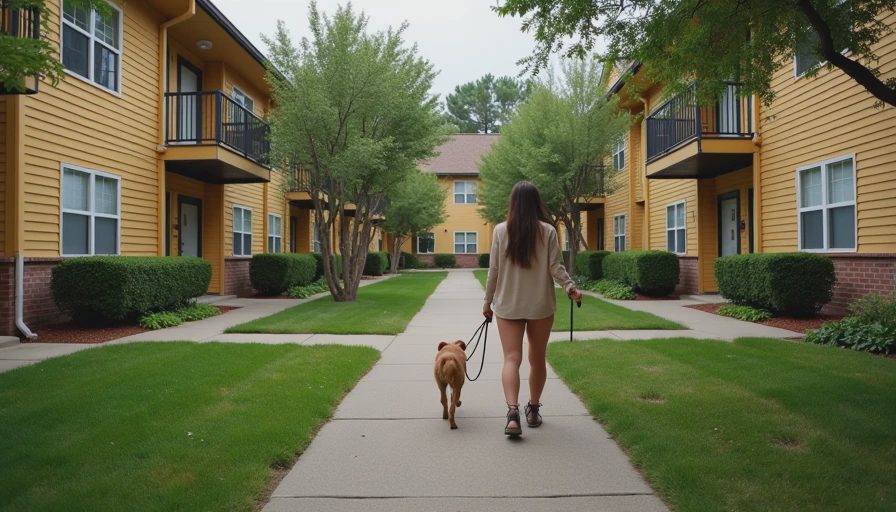
The questions to ask before applying
Before you fall for a sunny bedroom or exposed brick, ask for the pet policy and lease language. Find out whether the landlord requires vaccination records, a photo, references from a prior landlord, or a pet interview. Ask how maintenance workers enter when your pet is home, whether dogs must use a particular entrance, and whether the building has quiet-hour rules.
Money deserves a plain conversation. Pet rent is a recurring monthly charge, while a pet deposit is generally a refundable deposit intended to cover damage, subject to the lease and applicable law. A landlord might request $25 to $75 per month, a one-time fee, or no extra charge at all. Do not assume a verbal promise cancels a written fee. Ask the broker to send the full cost by email so you can compare apartments honestly.
Here is a message you can copy: “I am very interested in the apartment. Before applying, could you please confirm the approved pet, all pet-related fees, any size or breed restrictions, and whether those terms will appear in the lease?” A straightforward question often saves an application fee and an uncomfortable surprise.
Apartments for rent that are pet friendly are easier to compare when you calculate the first-year cost. A $50 monthly pet charge adds $600 over twelve months. Add that to the security deposit, broker fee if applicable, moving costs, and renter’s insurance. The lowest advertised rent may not be the lowest real cost.
Reading the lease with your pet beside you
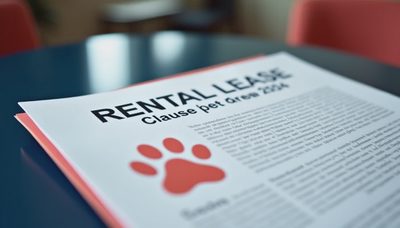
When the lease arrives, search for “pet,” “animal,” “damage,” “nuisance,” and “rules and regulations.” Read every referenced rider, not just the main agreement. A clause may allow pets but require written approval, leash use in common areas, or immediate cleanup after accidents. Those rules are manageable when they are clear and reasonable.
Pay attention to language that gives the owner broad power to remove an animal after any complaint. That does not necessarily mean the lease is unusable, but you should understand the process and ask what counts as a violation. Keep all approval emails, vaccination records, and pet photographs in one folder. If the building uses a resident portal, save a copy of the approval outside the portal too.
Service animals and emotional support animals are not simply another category of pet. They can involve disability-related housing protections and different documentation requirements. Do not mislabel a pet or buy an online certificate. If this applies to you, use reliable housing or disability resources and provide only legitimate documentation requested through the proper process.
A good lease conversation is calm and specific. You are not asking for a favor after move-in; you are confirming the agreement before signing. That protects you, the owner, your neighbors, and your animal.

Choosing a neighborhood your pet can actually enjoy
For dogs, location changes the entire rental experience. In Brooklyn, areas near Prospect Park, Fort Greene Park, McCarren Park, or Cadman Plaza can make morning walks easier, although the closest apartment is not always the best match. In Queens, Astoria and Long Island City offer different combinations of waterfront paths, sidewalks, towers, and walk-ups. In Manhattan, the blocks around Riverside Park, Washington Heights, and the East Village each create a different rhythm.
Look beyond the park name. Walk the block at the time you normally leave home. Check the sidewalk width, traffic noise, curb cuts, lighting, and distance to a place where your dog can relieve itself. For cats, focus on window safety, radiator access, hiding places, and whether construction noise is likely to be intense. A quiet interior apartment may be more valuable than a trendy address.
Apartments for rent that are pet friendly should support the humans, too. If you commute from Grand Central, a longer trip with a dog who needs midday care can become expensive. Price nearby dog walkers, daycare, grooming, and veterinary visits before signing. A $30 weekday walk several times a week can change your monthly budget more than a modest rent difference.
A practical search strategy for NYC renters
Start with a short pet profile: species, age, approximate weight, breed or mix, temperament, and training. Include one clear photo. Send it with your first inquiry instead of waiting for a broker to ask. This helps eliminate buildings with obvious restrictions and signals that you are organized.
Search using several phrases, including “pets allowed,” “pets upon approval,” and “no pet restrictions,” then verify every result. Ask whether the landlord has approved similar pets recently, but do not treat another tenant’s experience as a guarantee. Policies can differ by owner, unit, and lease term.
When you tour, notice the building’s attitude. Do residents hold doors for dogs? Is there a clean pet relief area nearby? Does the doorman seem comfortable with animals? No single detail decides the apartment, but small clues reveal whether you and your pet will feel welcome.
Apartments for rent that are pet friendly often move quickly, so prepare documents before touring: income verification, identification, references, pet records, and funds for application or move-in costs. Preparation lets you make a thoughtful decision without rushing through the lease.
Making the first week easier
Before moving day, measure the elevator, doorway, and any tight hallway turns if you have a large crate or furniture. Ask management about move-in hours and reserve the elevator when required. Keep food, medication, a leash, litter, bowls, and familiar bedding in one clearly marked bag rather than buried in a moving truck.
On the first day, give your pet one quiet room with familiar smells. Let a dog explore gradually and keep a cat’s carrier open in a secure room while the rest of the apartment settles. Update the microchip address, locate the nearest veterinarian, and learn the building’s emergency exit plan. In a walk-up, practice the stairs slowly and carry a small water bottle for longer trips.
Apartments for rent that are pet friendly become real homes through routine. Take the first dog walk along the same safe route, keep feeding times predictable, and introduce neighbors without forcing interaction. A small apartment can work beautifully when your pet has exercise, enrichment, a calm sleeping spot, and a reliable schedule.
The goal is not a perfect listing. It is a home where the lease is clear, the monthly cost makes sense, the building treats animals respectfully, and your everyday life feels manageable. That is how you find a home that fits all of you — tail included.



No notes yet — write the first one.