Finding pet friendly apartments in manhattan valley new york is less about checking one search filter and more about reading between the lines. A listing might say “pets considered,” while the actual owner has a strict 25-pound limit. Another apartment may look ordinary online but welcome your dog, cat, or both with a straightforward lease clause. After years of helping New York renters move with pets, I have learned that the best search starts with honest questions and a little neighborhood knowledge.
Manhattan Valley sits between Morningside Heights and the Upper West Side, roughly around West 100th to West 110th Streets. It has prewar walk-ups, elevator buildings, newer rentals, and quick access to Riverside Park and Central Park. That mix can work beautifully for pet owners, but the right apartment depends on your animal’s size, energy level, and tolerance for stairs.
What “pet-friendly” really means in Manhattan Valley
In New York rentals, “pet-friendly” can describe several different arrangements. A landlord might welcome cats but restrict dogs, allow one pet but not two, or approve pets only after reviewing a photo and veterinary records. Some buildings have a general no-pet rule with exceptions for small animals. Others charge a monthly pet fee, request a refundable pet deposit, or simply add a pet rider to the lease.
Ask for the complete policy before scheduling a showing. My favorite first message is: “Hi, I am interested in the apartment and would like to confirm the pet policy before we visit. I have a [size and breed or type] who weighs approximately [weight]. Are there any restrictions, fees, or building approval steps?” That wording saves everyone time and gives the agent something concrete to take to the owner.
Pay attention to phrases such as “board approval,” “case by case,” and “no aggressive breeds.” They do not automatically mean you should walk away, but they do mean approval is not guaranteed. For pet friendly apartments in manhattan valley new york, written confirmation matters more than a cheerful answer at an open house.

Streets, parks, and the daily pet routine
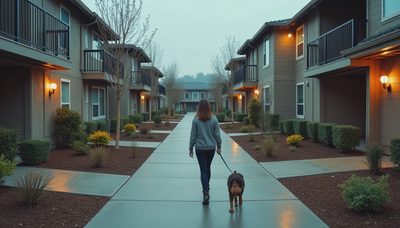
Manhattan Valley is especially appealing because daily walks do not have to be a production. Riverside Park gives you long Hudson-side routes, shaded paths, and room to vary the scenery. Central Park is also close, although the route from a building near West 110th Street feels different from the walk down near West 100th. Before signing, stand outside the building at the time you expect to walk your pet. Notice sidewalk traffic, delivery activity, construction noise, and how long it takes to reach a calmer block.
For dogs, a first-floor or elevator apartment can be a practical advantage when you are carrying a tired puppy, managing an older dog, or heading out during bad weather. A fourth-floor walk-up may offer better rent, but calculate the routine honestly. Three flights can feel charming during a sunny showing and less charming when your dog needs an emergency trip at 2 a.m.
Cats need a different inspection. Look for secure windows, screens that actually latch, radiator access, and a quiet place for a litter box. A compact one-bedroom can work well if the layout lets you separate food, sleeping areas, and the litter box instead of placing everything in one narrow bathroom.
How to compare buildings before applying
When I review pet friendly apartments in manhattan valley new york, I use a simple pet-ready checklist. First, confirm whether the person showing the apartment can approve the animal or must send the file to a landlord or management office. Second, ask whether the elevator has any pet rules, such as requiring a carrier or leash. Third, check the lobby attitude. A building can advertise pets while making every dog owner feel like an inconvenience.
Then inspect the physical details. Is there a reliable elevator, or is it frequently out of service? Does the lobby open directly onto a busy avenue? Are hallways wide enough to pass another dog comfortably? Can you store a crate, carrier, food bin, and cleaning supplies without blocking the entryway? A doorman’s friendliness is lovely, but dependable operations matter more when your pet needs help getting outside.
For older buildings, ask about pests, leaks, and recent renovations. A freshly painted apartment can still have gaps beneath a sink or loose window screens. Take photographs during the showing, especially around baseboards and doors. These small observations can prevent expensive pet-proofing after move-in.

Pet fees, deposits, and lease language
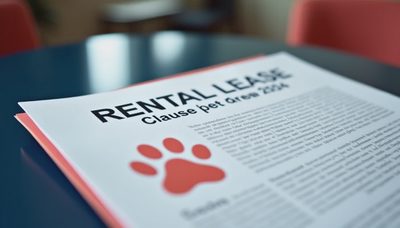
Do not focus only on the advertised rent. A $3,200 apartment with a $75 monthly pet fee costs $900 more over a year before any one-time charge. A landlord might instead request a refundable security deposit within the legal limit, or include no additional cost but require professional cleaning at move-out. The numbers and terms should appear in the lease or an attached pet agreement, not live only in a text message.
Read the pet rider line by line. Look for the approved animal’s name, species, weight, and identifying description. Check whether the agreement permits a replacement pet if circumstances change, who pays for damage, and whether the landlord can revoke approval after a complaint. Ordinary wear is not the same as damage, but scratched flooring, torn screens, or persistent odors can create a dispute.
Service animals and emotional support animals are handled under different rules from ordinary pets, and documentation requirements matter. Do not mislabel a pet to get around a restriction. If you have a disability-related accommodation request, use a legitimate process and ask for guidance from an appropriate housing professional or advocacy organization.
A smoother Manhattan Valley apartment search
Prepare a small pet résumé before contacting listings. Include a clear photo, age, weight, vaccination information, training notes, and a brief sentence about your routine. For example: “Milo is a six-year-old, 18-pound indoor dog, house-trained, and walked three times daily.” Add a previous landlord reference if you have one. This does not guarantee approval, but it helps an owner see the actual animal rather than imagining the worst-case scenario.
Apply quickly when the right home appears, but do not skip verification. Ask for the lease, pet rider, total move-in costs, and building policy before sending money. If a broker says the apartment is approved verbally, request an email confirmation. You can write: “Before I submit an application, please confirm that the owner and building approve my pet under the attached description and identify every pet-related charge.” Clear language is friendly language.
Finding a home that fits all of you
The best pet friendly apartments in manhattan valley new york are not necessarily the newest or the closest to a subway entrance. They are the homes where the lease is clear, the building routine is manageable, and your pet can settle without constant friction. Walk the surrounding blocks, test the stairs or elevator, and imagine an ordinary Tuesday rather than a perfect showing day.
Give yourself room to ask questions. The right landlord will understand that responsible pet owners want clarity, not special treatment. Once you find a place that welcomes your household, set up a quiet arrival area, protect the floors near the entrance, and establish the first week’s walking routine. That is how a rental becomes home: practical details, a little patience, and a home that fits all of you — tail included.


No notes yet — write the first one.