If you have been scrolling aquarium videos late at night and wondering, can you have an axolotl as a pet, you are not alone. These permanently baby-faced salamanders are quiet, fascinating, and much more apartment-friendly than a barking dog in some ways. But they are not a low-maintenance decoration. Before you bring one home to a Brooklyn walk-up, you need to sort out legality, landlord permission, aquarium safety, and whether your schedule supports consistent water care.
An axolotl lives in water, usually in a properly filtered aquarium with cool, stable temperatures. It does not need walks, a litter box, or a backyard, but it does need a serious setup. Think of it as keeping a small aquatic ecosystem in your living room, not placing a novelty pet in a bowl on a bookshelf.
Can you have an axolotl as a pet legally?
The first answer is location-specific. Some states and municipalities restrict axolotl ownership, and rules can change depending on whether the animal is considered a protected or restricted salamander. California, Maine, and New Jersey are commonly cited examples of places with restrictions, but do not rely on a social-media comment or an old forum post. Check your state wildlife agency, city rules, and any permit requirements before paying a breeder.
For New York City renters, the building and lease matter just as much as the city code. A lease may define pets broadly enough to include aquarium animals, even when a listing casually says “pets welcome.” Other leases focus on dogs and cats but still give the landlord approval rights for unusual animals. Ask for the written rule before you sign, especially if your apartment has a strict no-pet clause.
Here is the simple email I would send to a landlord or managing agent: “I am considering a single, fully aquatic axolotl kept in a secured aquarium. It will not leave the apartment, and I will maintain the tank responsibly. Does the lease permit this animal, and are there any aquarium size, insurance, or placement requirements?” Getting a clear written response is much better than trying to explain the tank after move-in.
What an axolotl needs in an apartment
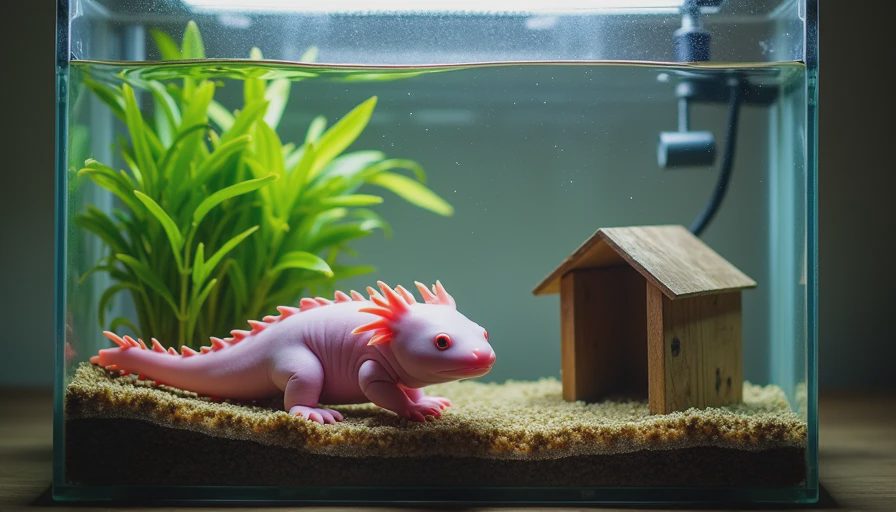
A healthy setup takes more room and planning than most first-time owners expect. A 20-gallon long aquarium is often used as a starting point for one adult, with additional space helpful as the animal grows. The tank needs a secure lid, a low-flow filter, water conditioner, a reliable thermometer, and a test kit for ammonia, nitrite, nitrate, and pH. Strong currents can stress axolotls, so filtration should clean the water without turning the tank into a washing machine.
Temperature is one of the biggest apartment challenges. Axolotls generally need cool water, and ordinary room temperatures can become too warm during a New York summer. Depending on your apartment, you might need a fan, a cooling system designed for aquariums, or a placement away from radiators and direct sun. A cooling unit can cost several hundred dollars, and electricity usage matters in a small rental with limited outlets.
The stand must also be sturdy and level. Water weighs roughly eight pounds per gallon before you add glass, gravel or flooring, equipment, and decorations. A filled 20-gallon aquarium can easily weigh more than 200 pounds. Do not put it on a flimsy console, near a radiator, or beside a window where temperature swings are dramatic. In a walk-up, consider how the tank will enter the apartment and how you will move it if the landlord needs access.
Axolotls eat a carnivorous diet that can include appropriately sized worms and commercial foods recommended by an experienced aquatic veterinarian or reputable specialist. Avoid small loose gravel that could be swallowed. Bare-bottom tanks or safe, large aquarium flooring are usually easier to manage, although the best choice depends on the animal and setup. A local exotic-animal veterinarian should be identified before an emergency, not after you notice a problem.
The real monthly and upfront cost
The animal itself is only one line of the budget. A realistic initial setup can run around $300 to $800 before veterinary care, depending on the aquarium, stand, filtration, cooling equipment, lighting, and water-testing supplies. Specialty cooling equipment can push the total higher. Monthly costs for food, water treatment, replacement filters, and electricity may land around $20 to $60, with unexpected equipment replacement adding more.
There is also the cost of time. Water parameters need regular testing, partial water changes, and observation. You cannot simply leave an axolotl for a long weekend with an automatic feeder and assume everything will be fine. A power outage, overheated room, leaking filter, or cycling problem can become urgent quickly. If you travel frequently, arrange care with someone who understands aquarium maintenance rather than asking a friend to sprinkle food into the tank.
Can you have an axolotl as a pet and still keep a calm rental routine? Usually, yes, if you build the routine first. Choose a location with easy access to an outlet and water, protect the floor from small spills, and keep towels and a siphon nearby. In a tiny apartment, a tank can become the visual center of the room, so plan around furniture instead of squeezing it into the only leftover corner.
What to ask before signing a lease
When I review a pet clause with a renter, I look for more than the words “pets allowed.” Ask whether the landlord requires written approval, whether aquarium animals are included, whether there is a pet deposit or monthly pet rent, and whether the building has rules about water damage. A landlord might be comfortable with a fish tank but have concerns about a large aquarium on an upper floor.
You should also ask about renters insurance. Standard renters insurance often covers personal property and personal liability, but coverage for aquarium leaks, damage to the tank itself, or damage to the building can depend on the policy and circumstances. Do not assume a policy will cover every water-related incident. Ask the insurer specifically about aquarium equipment and accidental water damage, and keep the landlord’s written approval with your lease documents.
A good placement is away from door swings, radiators, windows, and high-traffic hallways. If the building has an elevator, confirm that the aquarium can be transported safely during a move. For a walk-up, measure the stair turns and doorways before ordering a large tank. One awkward delivery can turn an exciting setup into a scratched wall and an unhappy super.
Is an axolotl the right pet for your household?
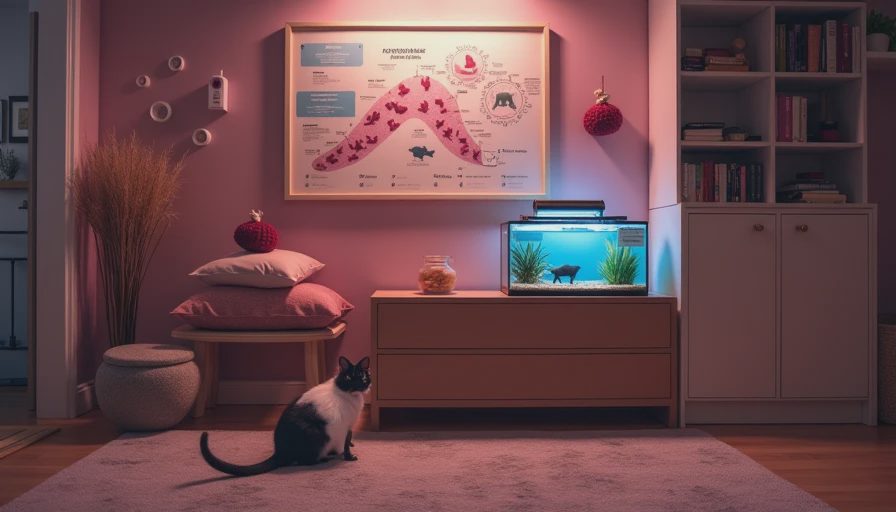
Can you have an axolotl as a pet if you already have a cat or dog? Possibly, but the aquarium needs a secure lid and a location inaccessible to curious paws. Cats may sit beside the glass, and dogs may bump the stand or bark at movement in the tank. Never allow another pet to paw at the water, and do not place the aquarium where a startled animal could knock into it.
Axolotls are better for observers than for people seeking a cuddly companion. Their skin is delicate, handling is stressful, and frequent contact is not part of normal care. They can be wonderful for a patient renter who enjoys testing water, watching natural behavior, and maintaining a quiet habitat. They are a poor fit for someone who wants a pet that can travel around the city or interact physically every day.
My practical advice is to visit a reputable aquatic store, price the complete setup, and read your lease before choosing the animal. If the landlord says yes in writing, the rules allow ownership, and you can manage cool water and regular maintenance, you may be ready. If any of those pieces are uncertain, wait. A home that fits all of you, tail included, also needs to be safe for the pet living in the aquarium.
If you are still asking, can you have an axolotl as a pet, the answer is often “yes, with paperwork and preparation,” not “yes, on impulse.” Treat the tank like a major household fixture, budget for reliable equipment, and make the lease conversation part of the adoption process. That little smiling face deserves a stable home, whether it is in a Manhattan studio or a quiet room in Queens.




No notes yet — write the first one.