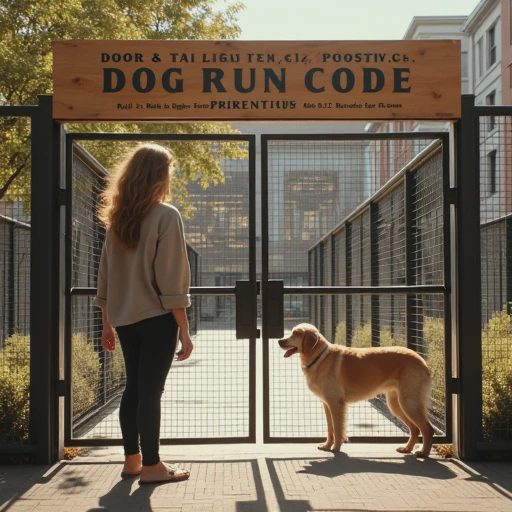
I used to think dog runs were simple.
You open the gate, your dog runs around like a maniac, you stand there with the other humans, everyone leaves happy. That was before I moved to Brooklyn with Noodle and discovered that New York dog runs have their own quiet social code — one that nobody writes down and everyone notices when you break it.
I’ve broken most of these rules at least once. Here’s what I wish someone had told me earlier.
1. The entrance is not a suggestion
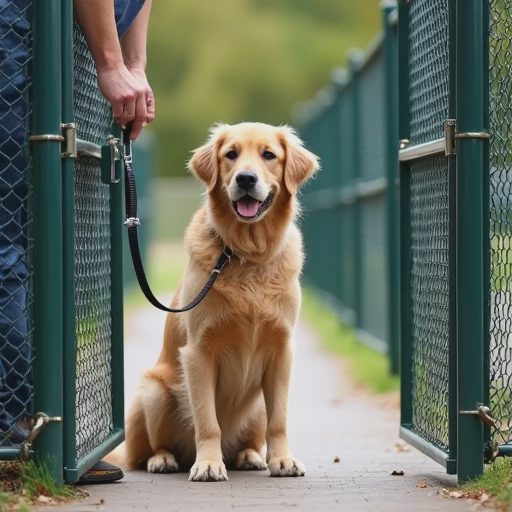
The double-gate system exists for a reason. Open the outer gate, step fully inside the small vestibule, close the outer gate before you open the inner one. It feels fussy the first dozen times. It prevents exactly the kind of escape or sudden confrontation that makes everyone tense.
I once watched a very polite corgi slip out because someone held the outer gate open while chatting. The recovery involved three strangers, a lot of shouting, and one very embarrassed owner. Don’t be that person. Close the gate.
2. Not every dog wants to be greeted immediately
This one took me the longest to learn.
Just because your dog is friendly does not mean the dog already inside the run is ready for a full-speed introduction. Some dogs need a minute. Some are older. Some are working through reactivity and their person is carefully managing the space.
A good rule of thumb: if another dog is playing with a specific friend or staying close to their person, give them a wide berth at first. Let the dogs decide the pace instead of forcing a meet-and-greet.
3. Pick up after your dog like the run depends on it (because it does)
Yes, everyone knows this. And yet.
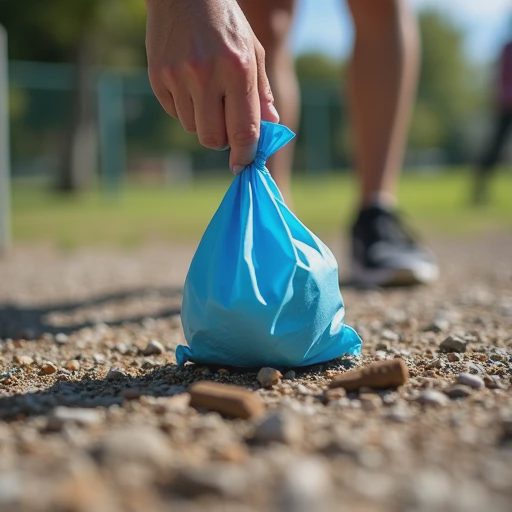
In smaller or more popular runs, one person who “didn’t see it” can make the whole space less usable for the next hour. Carry more bags than you think you need. Check the corners. If your dog is a digger or a poop-hider, stay close.
The people who use the run every morning notice who consistently leaves it clean. That quiet reputation matters more than you might expect.
4. Toys are complicated
Some runs are fine with balls and sticks. Others turn into resource-guarding zones the second a tennis ball appears.
If you bring a toy, be ready to put it away the moment another dog starts fixating or tension rises. And never bring food or high-value treats into the run itself — that’s how you accidentally create a scavenger free-for-all.
Noodle once claimed a stranger’s frisbee with the intensity of a dragon guarding gold. I still think about the look the other owner gave me.
5. The “just one more minute” problem
When the run is busy, lingering long after your dog is clearly done (or overstimulated) makes the space feel more crowded for everyone else. Watch your dog’s body language. If they’re starting to mount, guard the water bowl, or get snappy, it’s time to leave — even if you just arrived.
Leaving while things are still going well is a quiet kindness to the other dogs (and their people).
6. Human etiquette is half the job
A few things that make the human side smoother:
Don’t corner someone with a long conversation if their dog needs active supervision.
If your dog has a rough play style, say so early: “He’s friendly but he plays loud — want me to call him off?”
If something goes wrong (a scuffle, a jump, a stolen toy), address it directly and calmly instead of pretending it didn’t happen. Most people respond well to a simple “Sorry about that — I’ve got him.”
7. Know when it’s not the right run for your dog that day
Some days your dog is feeling social. Some days they’re not. Some runs are better for small dogs, some for big, zoomy ones. Some get packed at 7:30 a.m. and feel calmer at 10.
It’s okay to walk in, feel the energy, and walk back out. That is not failure. That is reading the room.
I still love dog runs. They’re one of the best parts of having a dog in this city — free, social, and full of the kind of small daily interactions that make New York feel like a neighborhood instead of just a lot of buildings.
But they work better when everyone treats them like a shared living room instead of a free-for-all.
Go, let your dog burn off the apartment energy, pick up after them, and leave the place a little better than you found it. The regulars will notice. And one day you’ll be the person quietly demonstrating the double-gate system to a newcomer who looks as confused as I once did.
See you at the run,
Maren
A home that fits all of you — tail included.
No notes yet — write the first one.