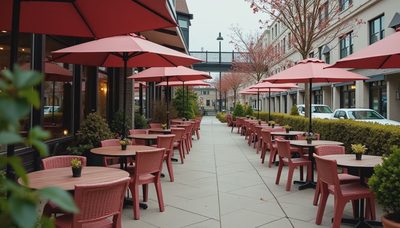
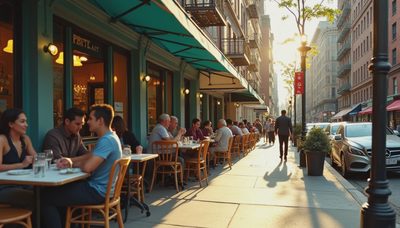
Outdoor dining west village style is less about rushing through a meal and more about finding a sunny table, ordering something comforting, and letting your dog watch the neighborhood go by. If you live nearby or are considering a pet-friendly apartment in the area, the right patio or sidewalk table can become part of your weekly routine.
The West Village is wonderfully walkable, but it is also busy, compact, and full of narrow sidewalks. A dog who is calm in a restaurant setting will have a much easier time than one who reacts to scooters, delivery bikes, or every passing terrier. With a little planning, you can enjoy a meal without turning lunch into a leash-management exercise.
What makes outdoor dining in the West Village work
The best outdoor dining west village experience usually starts before you leave home. Take your dog for a short walk first, but do not aim for complete exhaustion. A relaxed fifteen-minute stroll can help your pet settle without leaving them overheated or overstimulated. Bring a collapsible water bowl, a small amount of food, waste bags, and a familiar mat if your dog likes having a defined place to lie down.
Timing matters, especially on weekends. A table at noon on a warm Saturday may put you beside strollers, crowded storefronts, and a steady stream of dogs. An earlier breakfast, late lunch, or weekday dinner often feels calmer. Streets around Hudson Street, Greenwich Avenue, and the quieter blocks near Washington Street can have very different energy from one block to the next, so do not judge the whole neighborhood by the busiest corner.
Before sitting down, ask the host where dogs are welcome and whether the table is outside the restaurant’s designated seating area. Policies can differ even among neighboring establishments. A simple question such as, “Is my dog comfortable under the table here, or would another outdoor table be better?” shows consideration and often gets you a more suitable spot.

Choosing a table your dog can actually enjoy
When I am scouting outdoor dining west village options with Noodle, I look for four things: shade, room around the table, a secure leash position, and a manageable amount of foot traffic. A table pressed against a busy corner may look convenient, but it can leave your dog exposed to shoes, wheels, and sudden noises. A spot along a quieter wall is often more comfortable.
Avoid wrapping the leash around a chair leg if the chair might move. Instead, keep the handle looped around your wrist or use a short, non-retractable leash. Retractable leashes are difficult to control around servers and neighboring diners. If your dog is small, a soft carrier may work for part of the meal, but never place a carrier where it blocks a walkway or emergency access.
Shade is not a luxury during a humid New York summer. Pavement and decking can become hot quickly, and dogs cool themselves differently from people. Touch the ground with your hand before settling in, offer water regularly, and choose an indoor plan if your dog is panting heavily, drooling, or struggling to relax. The same goes for winter: wind tunnels between buildings can make an exposed table unpleasant even when the temperature seems mild.
A pet-friendly restaurant is not necessarily a dog playground. Keep paws off chairs, benches, and tables, and do not allow your dog to greet every person or dog nearby. Many diners enjoy dogs; some are eating around allergies, fear, or a quiet conversation. Good manners protect the welcoming atmosphere that makes outdoor dining possible.
A simple meal plan for first-timers
For a first outdoor dining west village outing, choose a short meal rather than a long, celebratory dinner. Coffee and a pastry, a quick sandwich, or an early appetizer gives you an easy exit if your dog cannot settle. Bring a chew or quiet food toy only if you know it will not create crumbs, guarding, or noise under the table.
Order your dog’s water as soon as you sit down, then give them a few minutes to observe. Avoid feeding rich table scraps, especially sauces, fried food, onions, garlic, and desserts. If you want to share, pack a few familiar treats from home. One treat for lying calmly is more useful than constant snacks that keep your dog alert.
Watch the server’s movements and move your dog closer to your chair when food arrives. Tell the staff if your dog needs space, but do not expect them to manage the leash or provide a full pet menu. A quick thank-you and a tidy table go a long way.

Finding a pet-friendly routine near your apartment
If you are apartment hunting, outdoor dining west village access can be a genuine lifestyle benefit, but it should not replace practical pet considerations. Ask whether the building allows dogs in elevators, whether there are weight or breed restrictions in the lease, and whether the lobby has a realistic place to pause while you attach a leash. A beautiful apartment is less appealing when every bathroom break requires a complicated elevator strategy.
I also check the walking route from the building to nearby green space. A dog may enjoy a café table, but they still need regular movement and relief from city stimulation. Look for a route with fewer delivery entrances, a nearby pet supply store, and a block where you can stand safely while waiting for a light. If you are renting with a cat, outdoor dining is naturally less relevant, but nearby quiet streets, windows with good light, and a reliable veterinarian still matter.
When asking a landlord about a pet, be specific. You can write: “I have a house-trained, 22-pound dog who has lived in apartments and is comfortable around people. Could you confirm the pet policy, any deposit or monthly pet rent, and whether the approval will be written into the lease?” Clear details are better than a vague “Are pets okay?”
Neighborhood etiquette that keeps doors open
The West Village works best when diners, residents, workers, and pets share the sidewalks thoughtfully. Keep your dog on the side away from passing traffic, pick up immediately, and do not let them sniff restaurant entrances or delivery bags. If your dog starts barking repeatedly, calmly end the meal rather than waiting for someone to complain.
Pay attention to your dog’s body language. Lip licking, tucked tails, pinned ears, constant scanning, or refusal of treats can signal stress. A dog who looks fine in a quiet park may find a crowded sidewalk exhausting. Leaving after twenty minutes is not a failure; it is useful information for planning the next outing.
For renters, this small routine can also help you evaluate a neighborhood before signing. Visit at breakfast, after work, and on a rainy evening. Notice noise, sidewalk congestion, lighting, and how easily you can walk home with groceries and a tired dog. Outdoor dining west village charm is wonderful, but daily livability comes from the less glamorous details too.
Make the experience part of home life
A successful meal outside gives your pet another calm city experience and gives you a break from cooking in a small kitchen. Start with a quiet table, keep the first visit brief, and build from there. Over time, you will learn which streets, hours, and seating arrangements suit your dog best.
That is the goal I look for in every rental search: not a picture-perfect apartment that ignores real life, but a home that connects easily to the walks, errands, and little pleasures you actually repeat. With the right preparation, outdoor dining west village plans can fit naturally into city living, dog included. A home that fits all of you — tail included.



No notes yet — write the first one.