Finding a pet friendly home for rent can feel like a second job, especially when every listing seems to hide the words “case by case.” Take a breath. You do not need a perfect search history or a designer dog to find a workable apartment. You need the right questions, a complete pet file, and enough time to read the lease before your excitement takes over.
I have shown apartments from quiet blocks near Prospect Park to elevator buildings along Queens Boulevard, and the same pattern holds: renters who disclose their pets early usually have a smoother experience. A home that fits all of you — tail included — starts with clarity.
What “pet friendly” should mean in a listing
A genuine pet-friendly listing tells you more than “pets considered.” Look for details about dog size, breed or species restrictions, the number of animals allowed, pet fees, elevator rules, and whether the owner wants a pet interview. “Pets welcome” is useful, but it is not a substitute for written permission in the lease or an addendum.
When you call or message, send a direct note: “Hi, I am interested in the apartment. I have a seven-year-old, 22-pound house-trained dog who has lived in apartments for years. Could you confirm the owner’s pet policy, all related fees, and whether permission will be written into the lease?” That wording gives the agent something concrete to take to the owner.
Be especially careful with listings that advertise a pet friendly home for rent but refuse to discuss the pet until after an application is submitted. An application fee does not guarantee approval. Ask about the policy before spending money on a credit check, and save the written answer.
The best listing is not always the fanciest one. A first-floor apartment near a reliable dog-walking route may suit an older dog better than a polished high-rise with three elevator transfers. For cats, secure windows, quiet construction, and a stable layout can matter more than a pet spa in the lobby.

Build a pet application file before you tour
A small pet file can make you look prepared without making the process feel formal or cold. Include a clear photo, vaccination records, a brief note from a veterinarian if available, proof of spay or neuter when relevant, and a short history of the animal’s housing experience. You can also include a trainer’s note or a reference from a prior landlord, but do not overshare sensitive medical information.
For a dog, write down age, weight, breed or mix, daily routine, and how long the dog can comfortably stay alone. For a cat, mention indoor-only status, litter-box habits, and whether the cat has lived in a rental before. A simple one-page profile is plenty. I call mine the “pet resume,” and it often answers the owner’s real concern: Will this animal be cared for, and will the apartment be respected?
If you are adopting after moving, say so honestly. Ask whether the lease allows a future pet and whether approval is required before adoption. Never move an animal into an apartment first and hope the paperwork catches up. That can create a stressful conversation with the landlord and your neighbors.
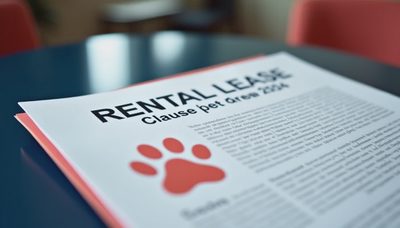
Read every pet clause over coffee
The pet clause should identify what is allowed, not leave you guessing. Check the animal description, maximum number of pets, guest-pet rules, common-area requirements, noise language, and remedies if a complaint occurs. A clause that says “no nuisance” is common, but it does not mean one neighbor can cancel your lease because they dislike seeing dogs in the hallway. It does mean you are responsible for genuine damage, repeated uncontrolled noise, or unsafe conduct.
Ask whether the building requires leashes in shared spaces, elevator use during certain hours, or waste bags at the front desk. These rules are usually manageable when you know them before signing. Also confirm whether the pet permission survives a lease renewal or must be approved again.
In New York, do not assume a separate pet deposit is automatically valid simply because someone calls it a “pet fee.” Security-deposit rules limit what a landlord can collect, and the treatment of recurring pet rent, deposits, or one-time charges can depend on the situation. Ask for every charge in writing and review it with a qualified housing professional if the language is unclear.
Service animals and emotional support animals are handled differently from ordinary pets under fair-housing rules. A disability-related accommodation request is not the same as asking for a pet exception. Do not mislabel a pet to bypass a policy; use the proper accommodation process and provide only documentation that is legally appropriate.
Choose the building, not just the apartment
A pet friendly home for rent can still be a poor fit if the building itself is difficult. During a showing, notice the lobby floor, elevator size, stair lighting, door closers, and the route from the entrance to the sidewalk. Ask whether residents commonly have dogs, where packages are left, and how maintenance enters when you are away. You are learning the building’s culture as much as inspecting the kitchen.
In Brooklyn, a walk-up near Fort Greene Park may be wonderful for an energetic dog but challenging if you carry a cat carrier up four flights. In Astoria, a quieter side street can be more valuable than a larger living room if your dog is nervous around traffic. Along the Upper West Side, proximity to Riverside Park may simplify morning walks, while a building’s elevator policy can determine whether a senior pet gets outside comfortably.
Visit at the time you expect to walk your pet. A block that feels calm on a Sunday afternoon may be crowded at 8 a.m. Look for curb cuts, shaded sidewalks, garbage storage, and places where a dog can pause without blocking foot traffic. These details shape your daily life far more than a listing’s wide-angle photos.

Negotiate with facts, not promises
Owners usually worry about damage, odor, noise, and liability. Address those concerns with specific information. Offer a pet resume, explain your routine, and describe how you will protect floors or walls. For example: “I use a washable runner near the entry, keep the dog crated only when appropriate, and can provide a prior landlord reference.” That is stronger than simply saying, “My dog is very good.”
If the owner hesitates, ask whether a narrower agreement would help. They might approve one named animal, require a move-in inspection, or request renter’s insurance with appropriate liability coverage. Do not agree verbally to restrictions that are missing from the lease, and do not promise professional cleaning at move-out unless you understand exactly what is expected and permitted.
A broker can also search beyond the obvious rental portals. Smaller owners, condo sublets, and buildings with established pet residents may have more flexibility than a heavily marketed listing. Tell your agent your pet’s details on the first call, not after the apartment is already your favorite.
A practical first-week plan after approval
Once you have the keys, keep your pet’s first week pleasantly boring. Bring familiar bedding, food, medication, and one favorite toy before introducing a parade of visitors. Set up a quiet corner immediately, then explore the hallway, lobby, and nearest walking route in short sessions.
For a dog, identify the closest backup route for bad weather and locate the nearest veterinarian before you need one. For a cat, inspect window screens, balcony access, radiator gaps, and any loose vents before allowing free exploration. Update the microchip address and keep the lease, pet addendum, and building contacts in one folder.
If a neighbor raises a concern, respond early and kindly. Ask what they observed, correct the practical issue, and keep communication in writing when appropriate. Most city-building problems are easier to solve after one calm conversation than after months of resentment.
The right search is not about finding a building that tolerates your pet. It is about finding a landlord, lease, neighborhood, and daily routine that work together. Start with honest disclosure, ask for the exact terms, and give yourself permission to skip apartments that create confusion before move-in. With a little preparation, a pet friendly home for rent can become a real home for everyone who lives there.


No notes yet — write the first one.