If you are comparing apartments near Cooper Park Maspeth Avenue Brooklyn NY with a pet in the picture, I would not start with the glossy listing photos. I would start with the walk home, the lease, and the building habits. A good setup for a dog is not just a pretty kitchen; it is a hallway that is not a circus at 7 a.m., a landlord who answers pet questions in writing, and enough nearby green space to make the routine feel easy. That is the difference between a place you can tolerate and a home that fits all of you — tail included.
What Cooper Park Maspeth Avenue Brooklyn NY feels like on a daily walk
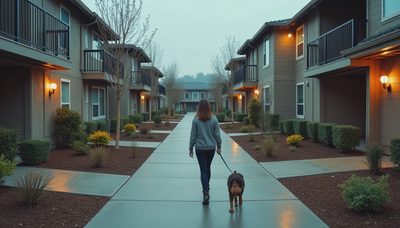
The first thing I look at in any part of north Brooklyn is how a pet actually moves through the block. Some stretches feel calm and residential, with enough sidewalk space for a normal leash walk. Other stretches are busier, louder, and better for getting from point A to point B than for lingering. That matters if you have a dog who likes to sniff every tree pit or a cat who turns into a nervous wreck when the hallway echoes.
Around this part of Brooklyn, I would think about the shape of your routine more than the neighborhood label. Can you do a quick morning loop before work? Is there a patch of grass or a park edge that makes the evening walk less annoying? Can you get home with groceries, a coffee, and a leash in hand without doing a wrestling match at the front door? Those small things add up fast when you live with an animal.
The lease details I check before any application
This is where people save themselves a headache. Before I submit anything, I want the pet policy in plain English. I ask for the exact rule on weight or breed limits, any monthly pet rent, any one-time fee, and whether there is a separate pet addendum. The sentence I send is simple: Please send the pet policy in writing, including any monthly pet rent, one-time fee, size or breed limits, and whether there is a pet addendum.
That message is calm, direct, and hard to misunderstand. It also keeps you from falling for a listing that says pets welcome but hides the real costs in the fine print. In New York, the security deposit is generally capped at one month of rent, so I pay attention when a building tries to stack extra charges on top. A monthly pet rent of $25 to $75 or a one-time fee of $250 to $500 is not unusual in some buildings, but you want to know that before you fall in love with the sunlight.
If the renter has an emotional support animal or service animal, I treat that separately from a regular pet application. The paperwork should match the situation, and the lease language should not be sloppy. Clear answers early are always cheaper than arguments later.

How the building itself changes pet life
The apartment can be lovely and still be a bad fit if the building works against you. I pay attention to stairs, elevator speed, hallway width, package pileups, and whether the superintendent seems used to animals. A fifth-floor walk-up can be fine for a light, athletic dog and a renter who does not mind the workout. It is a different story if your dog is older, nervous on stairs, or needs more frequent breaks.
I also look at the little things that listings barely mention. Is there a spot near the entrance where muddy paws can wait for a towel? Does the lobby get crowded at rush hour? Are the floors easy to clean after a rainy day? Does the window placement make a cat feel safe, or do you need screens and a better perch right away? I have seen renters buy the perfect sofa before realizing the front door slams so hard that their dog refuses to go near it. The building matters.
Transit, errands, and the parts of city life that wear pets out
A pet-friendly apartment is easier to keep when the rest of your daily errands are simple. If you can grab litter, food, treats, and waste bags without a long trek, your week gets smoother. If your commute means your dog sits alone longer than expected because the train is unreliable or the walk is awkward, that becomes part of the rent whether or not it appears on paper.
This is why I think about access in a practical way. A short walk to transit is helpful, but so is a straightforward path back home after dark. A rainy-night return with an impatient dog or a cat carrier in one hand feels very different from a sunny afternoon tour. I also like to know where the nearest vet, groomer, and emergency option are before move-in, because the first sick-day panic is not the time to start Googling.

A realistic first week in a small apartment
The first week tells you a lot. Before the art goes on the wall, I set up the pet routine. Water bowl, food station, litter box, bed, leash hook, and a towel by the door all come first. That is not glamorous, but it keeps the apartment from feeling chaotic. I also check whether the dog has a clear place to settle after a walk and whether the cat has a quiet corner away from the front door.
If you are new to a smaller apartment, think about sound and scent, not just square footage. A rug can soften noise. A baby gate can keep a curious dog out of a kitchen. A covered litter box can help in a studio, though some cats hate them, so test before you commit. I also tell renters to walk the block at the time they usually come home. The neighborhood can feel completely different at 7:30 a.m. than it does at 8:30 p.m.
My short checklist before you apply
When I am helping someone narrow down a place, I want three things to be true: the pet rule is clear, the building routine is livable, and the walk outside does not make every errand harder than it needs to be. If one of those pieces is missing, the apartment can still be fine, but it should be fine for real life, not just for a listing photo.
If you are comparing listings around Cooper Park Maspeth Avenue Brooklyn NY, I would choose the one that makes pet life boring in the best way: clear rules, easy exits, and no surprise fees. Ask for the lease language early, tour the block at the hour you will actually use it, and picture the first rainy Tuesday, not just the sunny Sunday. That is how you get a home that fits all of you — tail included.




No notes yet — write the first one.