Finding apartments for rent that allow pets in New York can feel like trying to squeeze a Great Dane into a studio elevator: possible, but much easier with a plan. The good news is that you do not need to hide your cat, apologize for your senior dog, or apply blindly to every listing on your screen. You need to know which questions to ask before the showing and which pet rules actually matter.
I have helped hundreds of renters move through Brooklyn, Queens, and Manhattan, and the successful searches usually begin with the same three details: your pet's species and size, your preferred neighborhoods, and your honest monthly budget. A home that fits all of you — tail included — is absolutely out there.
Start with the pet rules, not the pretty photos
A listing marked “pet-friendly” is a starting point, not a guarantee. In one building, that phrase might mean cats are welcome but dogs are limited to 25 pounds. In another, pets are accepted only with landlord approval. Some co-ops have board rules that are stricter than the building owner's listing, while a rental may allow pets but prohibit certain breeds, aquariums, or more than one animal.
Before scheduling a tour, send a short message: “Hi, I am interested in the apartment and want to confirm the pet policy before viewing. I have a 35-pound dog who is house-trained and has lived in apartments. Are dogs permitted, and are there any weight, breed, registration, or fee requirements?” That wording gives the agent useful information without turning the conversation into a courtroom argument.
Ask whether the rules appear in the lease, a building rider, or both. Request a copy of the pet clause before paying an application fee. If an agent says, “The owner is usually fine with pets,” treat that as an invitation to verify, not as written permission.

Where to search for apartments for rent that allow pets
Search platforms such as StreetEasy, Apartments.com, Zillow, and local brokerage sites using the pet filter, but do not stop there. Filters are often incomplete or depend on how an agent entered the listing. A building that allows pets may not be tagged correctly, especially when the apartment is being marketed by a small landlord.
Call or message with your pet profile ready. Include your animal's name, age, approximate weight, and whether you have landlord references or a veterinarian record. A concise pet résumé can help: one page with a photo, vaccination information, training notes, and a prior landlord's contact details if available. It sounds a little formal, but it can turn an uncertain owner into a comfortable one.
Neighborhood logistics matter just as much as the lease. A walk-up near Prospect Park may suit an energetic dog better than a luxury tower beside a busy avenue. In Queens, look at elevator access and sidewalk width around Sunnyside or Astoria. In Manhattan, consider how far the apartment is from a usable green space, especially if you work long hours. For a cat, window safety, quiet rooms, and a reliable maintenance team may matter more than a nearby dog run.
When I search for apartments for rent that allow pets, I also inspect the lobby and elevator. Do residents hold doors for animals? Is there a service elevator? Does the doorman know the building's pet policy? Those small signals often tell you more than a cheerful listing description.
Understand pet deposits, pet rent, and extra fees
The cost of a pet-friendly apartment is not always limited to the advertised rent. A landlord might request a refundable pet deposit, a monthly pet fee, or an additional one-time administrative charge. In New York, security-deposit rules are regulated, so a landlord cannot simply invent an unlimited deposit because a renter owns a dog. A monthly pet fee can also affect your true housing budget even when the base rent looks attractive.
Ask for every charge in writing. A useful email says: “Please confirm the monthly rent, security deposit, pet deposit, monthly pet rent, application fee, and any move-in or elevator fees. I would also like to confirm which charges are refundable.” Save the response with the lease documents.
For example, a $3,000 apartment with $75 monthly pet rent costs $900 more over a year. A $500 refundable deposit has a different financial impact from a nonrefundable $500 fee. Compare the full first-year cost rather than choosing the apartment with the lowest headline rent.
Some owners will negotiate when your application is strong. Offer a longer lease term, automatic payments, renter's insurance, or references from a previous landlord. Do not offer an extra payment casually; make sure it is lawful, documented, and clearly described.
Read the lease like your pet's future depends on it
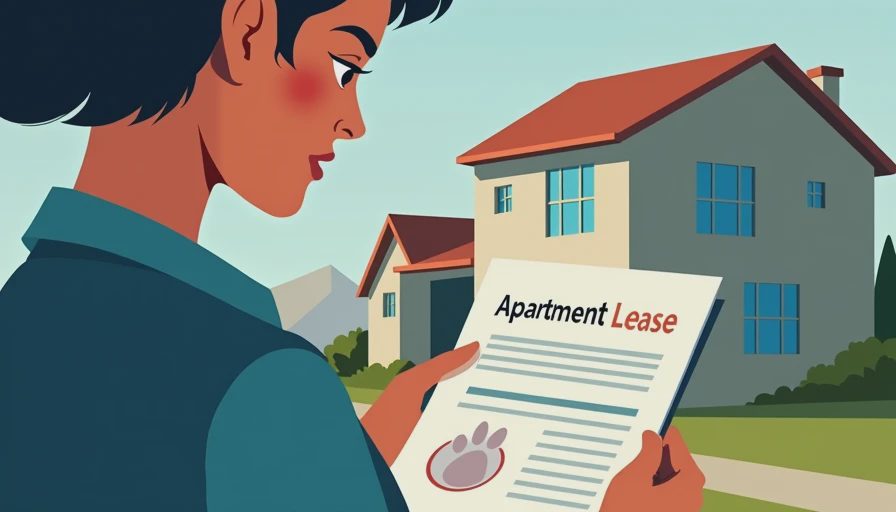
The pet clause should identify the permitted animal and explain what happens if ownership changes. Look for language covering noise, waste, damage, common areas, elevators, guests with pets, and notice requirements. A vague phrase such as “pets subject to approval” is not enough if you already have an animal. Ask for written approval naming your dog or cat before signing.
Pay attention to building rules that are attached as a rider. The lease may allow pets while the rider requires leashes in hallways, restricts animals from a roof deck, or requires registration with management. These are manageable rules when you know them. They become stressful when you discover them after moving in with a carrier, crate, and three boxes of food.
Service animals and emotional support animals are handled differently from ordinary pets under fair-housing laws. A service animal is trained to perform disability-related tasks. An assistance animal, which can include an emotional support animal, may qualify for a reasonable accommodation when the legal requirements are met. These animals are not treated simply as pets, and pet fees may not apply in the same way. Use a legitimate accommodation process and provide only appropriate documentation; never misrepresent an animal to get around a no-pet rule.
Make the apartment work for real city life
A pet-friendly lease is only half the decision. Stand in the apartment and picture the Tuesday morning routine. Where will the leash hang? Can you carry a cat carrier down four flights if the elevator stops? Is there space for a litter box away from the kitchen? Will the front door open directly onto a busy hallway where an anxious dog could bolt?
For dogs, measure the route to the nearest outdoor relief area and check lighting for late-night walks. For cats, inspect window screens and ask whether they can be secured. Never assume a screen is strong enough to prevent a fall. Ask management how quickly maintenance responds to leaks, broken locks, or heating problems, because those details affect an animal's safety.
A small apartment can work beautifully with a predictable routine. Use a washable mat by the entrance, closed storage for food, and a baby gate if your pet needs a quiet zone. In a walk-up, keep a backup neighbor or dog walker in mind for days when stairs, weather, or work make the normal schedule impossible.
A simple application strategy
When you find apartments for rent that allow pets, move quickly but do not skip verification. Prepare identification, income documents, employment information, bank statements if requested, references, and your pet résumé in one secure folder. Ask the agent exactly which documents are required and how they should be submitted.
Before applying, confirm the legal owner or authorized management company, the full monthly cost, the pet approval process, and the earliest move-in date. During the showing, ask whether any current residents have pets and whether management has issued recent violations. You do not need confidential tenant information; you simply want to understand how consistently the rules are enforced.
If the apartment is right, write a clear follow-up: “I would like to apply. Please send the lease, pet rider, fee schedule, and written approval requirements so I can review them before submitting payment.” That sentence keeps the process friendly while protecting you from last-minute surprises.
The best apartments for rent that allow pets are not merely places where an animal is tolerated. They are homes with workable rules, realistic fees, safe access, and a landlord who answers direct questions. Search with your pet's needs in the room from the beginning, read every rider, and let the right apartment come together thoughtfully. You and your companion deserve a home that fits all of you — tail included.


No notes yet — write the first one.