If you are searching for an apartemen pet friendly, you are probably tired of opening a beautiful listing only to discover “no dogs,” “cats considered,” or a mysterious weight limit buried at the bottom. I have helped hundreds of New York renters move with pets, and the good news is that you do not have to choose between a decent apartment and the animal you love. You need a sharper search, a careful lease review, and a landlord who understands responsible pet ownership.
What “apartemen pet friendly” should actually mean
The phrase “pet-friendly” is not a complete answer. In one building, it may mean a small cat is welcome with written approval. In another, it could mean dogs and cats are accepted without breed or size restrictions. Before scheduling a showing, ask for the exact policy in writing.
Send this message to the listing agent or landlord: “Hi, I am interested in the apartment and have a well-behaved [dog or cat], approximately [weight or age]. Can you confirm whether the pet is allowed, whether there are breed or size restrictions, and whether any deposit, monthly fee, or building approval is required?” This saves everyone time and prevents a painful surprise after you fall for the exposed-brick kitchen.
A genuinely apartemen pet friendly listing should give you clear answers about the animal, not vague promises such as “the owner is flexible.” Ask whether the pet must be registered with the building, whether elevator rules apply, and whether a move-in elevator reservation affects your schedule. In a walk-up, also think honestly about stairs, summer heat, and carrying food or litter several floors.

Finding the right neighborhood and building
The best apartemen pet friendly is not always the one with the biggest living room. Location shapes your pet’s daily life. A dog may be happier in a smaller apartment near a reliable walking route than in a larger place beside six lanes of traffic and nowhere comfortable to stop.
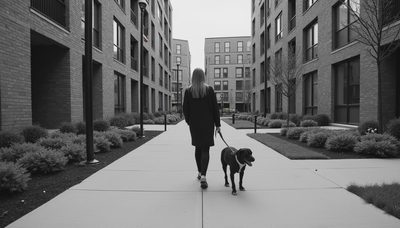
In Brooklyn, I often look at the practical connection between a building and nearby green space, such as Prospect Park, McCarren Park, or neighborhood side streets with calmer traffic. In Queens, areas near Forest Park or larger residential blocks can make morning walks less rushed. In Manhattan, the Hudson River Greenway, Riverside Park, and Central Park access can matter more than an extra closet.
During a showing, stand outside for five minutes. Listen for lobby doors, delivery traffic, and construction noise. Look at the sidewalk width and whether there is a safe place for a dog to pause. Check the route from the apartment to the nearest subway entrance, because a fourth-floor walk-up feels very different when you are carrying a carrier, groceries, and a tired cat.
Ask current-building questions without making assumptions. Is there a pet relief area nearby? Do residents use the elevator with dogs? Are there frequent package deliveries that leave the front door open? A doorman’s attitude can tell you a lot, but the written building rules still control.
Read the pet clause before you apply
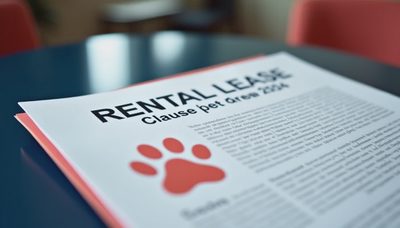
A pet clause should identify what is allowed and what you are responsible for. Look for the permitted animal, approval requirements, noise language, damage responsibility, vaccination or registration rules, and any limits on guests bringing pets inside. Some leases require written consent even when the listing says pets are welcome.
Pet deposits, pet fees, and pet rent are different financial arrangements. A deposit is generally held against possible damage and may be refundable under the lease terms. A fee is usually a charge that is not returned. Pet rent is a recurring monthly amount, often around $25 to $100 in New York rentals, although the exact figure depends on the property and agreement. Never rely on a verbal statement that “there is no extra charge.” Have the final terms written into the lease or rider.
If the landlord wants a $500 pet deposit, you can make your application stronger with a concise pet résumé. Include a photo, age, weight, vaccination records, training details, references from a prior landlord if available, and proof that you carry renters insurance. Keep it one page. A tidy packet signals that you understand the responsibilities of renting with an animal.
For an apartemen pet friendly search, ask one more question: what happens if the animal is temporarily cared for by a friend or sitter? Some buildings distinguish between your approved pet and a visitor’s pet. That detail matters if you travel or need emergency help.
Negotiating without making the conversation awkward
You do not need to apologize for owning a pet. You do need to present yourself as a prepared renter. An effective message is: “I would love to apply. My dog is house-trained, quiet in the apartment, and has lived successfully in a rental. I can provide records, a prior landlord reference, and renters insurance. Would the owner consider approving the pet with those documents?”
If the landlord hesitates over risk, offer practical reassurance rather than an emotional speech. Ask whether a reasonable pet deposit, documented cleaning plan, or professional move-out cleaning would address the concern. Do not promise that your pet will never bark or scratch; no honest pet owner can guarantee that. Explain the steps you take, including exercise, crate training when appropriate, and prompt cleanup.
For an apartemen pet friendly application, apply quickly when the terms work. New York rentals can move fast, but speed should not mean skipping the pet rider. Read every page before signing, especially the sections covering unauthorized animals, nuisance complaints, repairs, and renewal terms.

Making a small apartment work for a dog or cat
A pet-ready home does not need a sprawling floor plan. Start by creating zones. Put food and water in an easy-to-clean corner, keep the litter box away from feeding areas, and use a washable mat under bowls. For a dog, place a bed near the room where you spend time rather than isolating the animal in a hallway. For a cat, add vertical space with a secure shelf, cat tree, or window perch approved for the wall and lease.
Pet-proof before the first night. Hide electrical cords, secure loose window screens, move toxic plants, and check the gaps behind appliances. In a walk-up, store a lightweight leash and waste bags by the door. If your dog cannot manage long stair trips, learn the building’s elevator habits before move-in day. For cats, keep the carrier accessible instead of hiding it in a closet only when a vet appointment appears.
The first week should be quiet and predictable. Keep meals, walks, and bedtime close to the old schedule. Introduce one room at a time if the pet seems overwhelmed. A few accidents or restless nights do not mean the apartment is a failure; moving is a major change for animals too.
Your practical apartment-search checklist
Before applying for an apartemen pet friendly rental, confirm six things: the animal is permitted in writing; size or breed rules are clear; all fees are listed; the pet clause matches the building policy; nearby walking or relief options fit your routine; and the apartment can safely hold your pet’s essentials.
Then compare the real monthly cost. Add rent, pet rent, renters insurance, parking if needed, transit, grooming, litter or food delivery, and likely dog-walking expenses. A $3,000 apartment that saves you $150 each month in walking and transportation costs may be more comfortable than a cheaper place that creates a punishing daily routine.
If a listing refuses to provide basic pet terms, move on politely. There are better options, and a transparent landlord is worth more than a perfect kitchen. Start early, prepare your documents, and describe your pet honestly. The goal is not merely an apartment that allows animals. It is a home that fits all of you — tail included.



No notes yet — write the first one.