
I still think about this one when people tell me that “no pets” is always final.
It was a small one-bedroom on a quiet block in Prospect Heights. Third floor, decent light, newly refinished floors. The listing said “no pets” in the usual firm language. The landlord was an older man who had owned the building for a long time and still interviewed tenants himself.
The couple who wanted it had a cat. Not a kitten — a calm, seven-year-old tabby who had lived with them through two previous apartments without incident. They were strong applicants: solid income, excellent credit, long rental history. The only mark against them was the cat.

When the agent told them the owner’s answer was no, they asked if they could write to him directly. I said yes, with the usual caution that it might not change anything. They sent a short, respectful email. No long story about how much they loved the cat. No pressure. Just the basic facts: the cat’s age, that she was indoor-only, litter-trained, and had never damaged property, plus an offer to pay a reasonable pet deposit and provide a reference from their current landlord.
The owner wrote back the next day. He said he had previously had problems with a dog that barked and scratched doors. He had never actually rented to anyone with a cat. He asked two more questions. They answered promptly and calmly.
Three days later he agreed to meet them at the apartment with the cat.
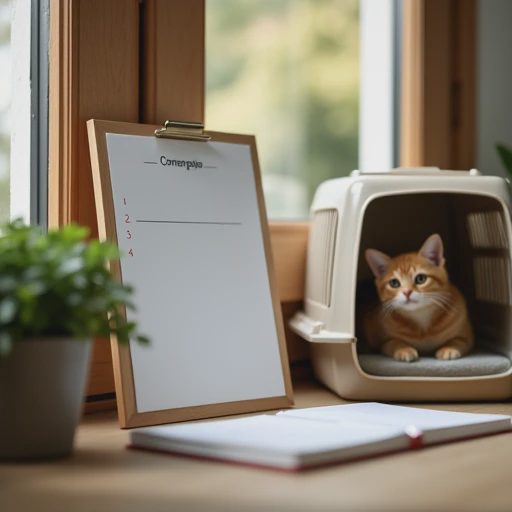
I went along. The cat, to her credit, behaved like she had been preparing for this interview her entire life. She sat in her carrier quietly, then explored a little when they let her out, then chose a windowsill and stayed there. The landlord watched her for a while. He asked the couple about their routines, about what they would do if she ever scratched the new floors, about how they planned to handle litter in a small apartment. They answered without defensiveness.
At the end of the visit he said, almost reluctantly, “She seems fine. If everything else checks out, we can try it.”
They got the apartment. He charged a modest extra deposit and added a simple clause about damage and behavior. They lived there for three years. When they eventually moved, the place was in good condition. The landlord later told the agent he had been surprised it went so smoothly.
What actually made the difference
I’ve thought about this story a lot, because it contains almost none of the dramatic confrontation people sometimes expect.
The couple didn’t argue that the “no pets” policy was unfair.
They didn’t lead with emotion.
They didn’t treat the landlord like an obstacle to be overcome.
They treated him like a person who had a specific past experience (a problematic dog) and a reasonable desire to protect his property. Then they gave him new information and a low-pressure way to test it.
A few things that mattered in practice:
They asked permission to contact him instead of going around the agent.
The email was short and specific.
They offered concrete reassurance (deposit, reference, clear description of the animal) rather than promises.
They brought the actual cat to the meeting so the landlord didn’t have to imagine the worst version.
They stayed calm when he asked pointed questions.
None of this guarantees a yes. Plenty of landlords will still say no, and they are entitled to. But it changes the texture of the conversation. It replaces a generic refusal with a specific decision about a specific animal and a specific household.
The quieter lesson
I tell this story when people feel that any attempt to ask is automatically confrontational or hopeless. Sometimes the most effective thing is simply to make it easy for the other person to change their mind without losing face.
A clear description.
A reasonable offer.
A willingness to let the animal’s actual behavior speak.
That combination has opened more doors than any clever argument I’ve seen.
Not every landlord will shift. Some policies are firm, some management companies have no flexibility, and some owners have made up their minds permanently. Accepting that reality is part of a sane search. But when there is even a little room, asking nicely — and specifically — remains one of the most useful tools available.
The couple and the cat are long gone from that apartment now. The landlord, as far as I know, still owns the building. I don’t know whether he ever rented to another cat. I do know that for one quiet tabby and the people who loved her, the answer changed because someone asked in a way that made changing possible.
That feels worth remembering.
— Maren
A home that fits all of you — tail included.



No notes yet — write the first one.