If your dog spends most of the day in a compact apartment, a simple dog pose can be a lovely way to add movement without needing a backyard. I am not talking about forcing your terrier into a complicated yoga photo. I mean a relaxed stretch, a calm transition after a nap, and a small ritual that fits between your morning coffee and the walk down three flights of stairs. With the right approach, dog pose practice can support body awareness, settle an energetic pup, and make your home feel more comfortable for both of you.
The first rule is comfort. Your dog should choose to participate, move freely, and leave whenever they want. Put a nonslip mat on the floor, keep treats nearby, and avoid stretching a joint or pressing down on the back. A rental-friendly routine needs almost no equipment, which is excellent news when your living room is also your dining room, office, and occasional indoor fetch court.
What a Dog Pose Actually Looks Like
The most familiar dog pose is a natural stretch: front legs reach forward, chest lowers, and the hips stay lifted. Many dogs do this after sleeping or before a walk. You may hear people call it a play bow or a downward-dog stretch, but the name matters less than your dog’s body language. A soft face, loose tail, and easy breathing suggest comfort. Wide eyes, tucked ears, lip licking, trembling, or sudden avoidance mean it is time to stop.
Start with your dog standing on a stable surface. Hold a small treat near the floor and a few inches in front of their paws. Let them follow it forward and down, then reward the moment their chest lowers naturally. Do not pull their legs into position. Give one treat, release the cue, and let them shake it off. Two or three repetitions are plenty for a first session.
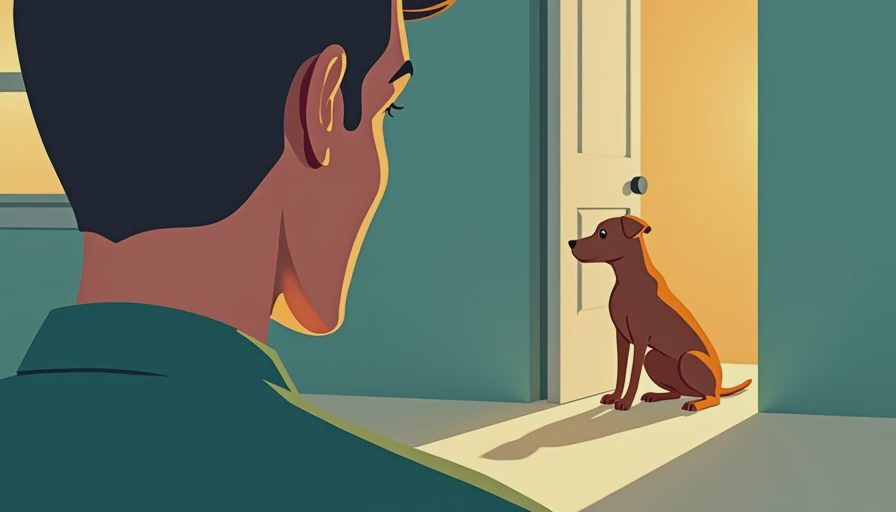
Noodle, my terrier mix, often turns a stretch into a dramatic full-body wiggle. That is fine. The goal is not a perfect silhouette for Instagram; it is a positive movement experience. In a small New York apartment, five calm repetitions can be more useful than an ambitious routine that leaves your dog frustrated or your downstairs neighbor listening to frantic paw taps.
Building a Safe Routine in a Small Rental
Choose a clear patch of floor away from the coffee table, radiator, and balcony door. Hardwood and polished tile can make a dog slide, especially an older dog or one with long nails, so a washable runner or yoga mat is a smart upgrade. Check the lease before adding adhesive flooring or making any permanent change. A removable mat gives your dog traction without creating a security-deposit conversation later.
Use the dog pose after a nap, before harnessing up, or when you return from a quiet block walk. Avoid practicing immediately after a large meal or during a burst of zoomies. Keep sessions under five minutes at first. Reward calm behavior with a pea-sized treat, gentle praise, or permission to sniff around the room. Dogs learn the rhythm quickly: mat down, stretch, reward, relax.
The surrounding apartment matters, too. Close the door if hallway noise makes your dog lunge, and move breakable objects off a low shelf. If you live above someone on Bergen Street or in a thin-walled walk-up near Astoria, skip jumping exercises indoors. A calm stretch and a food puzzle are kinder to neighbors than repeated leaps from the sofa.
Reading Your Dog Instead of Forcing the Shape
A dog pose should look different on every dog. A long-backed dachshund may lower the chest only slightly. A senior dog may prefer standing with the front paws elevated on a sturdy, low platform. A puppy may perform the movement once, grab the treat, and race toward the kitchen. Those are not failures. They are information about balance, age, energy, and attention span.
Watch the transitions as carefully as the pose itself. Your dog should stand up and lie down without a yelp, stumble, or sudden stiffness. Stop if you notice limping, reluctance to use one leg, unusual panting, or a change that continues after the session. A veterinarian can help you distinguish ordinary tiredness from pain, particularly if your dog has arthritis, a previous injury, or a known joint condition.
Never use stretching to correct behavior through force. If your dog growls, freezes, or pulls away when you touch a certain area, respect that message. The best city-dog routine is cooperative. You want your pet to see the mat as a safe place, not another object associated with restraint.
Pairing the Stretch With Better Apartment Living
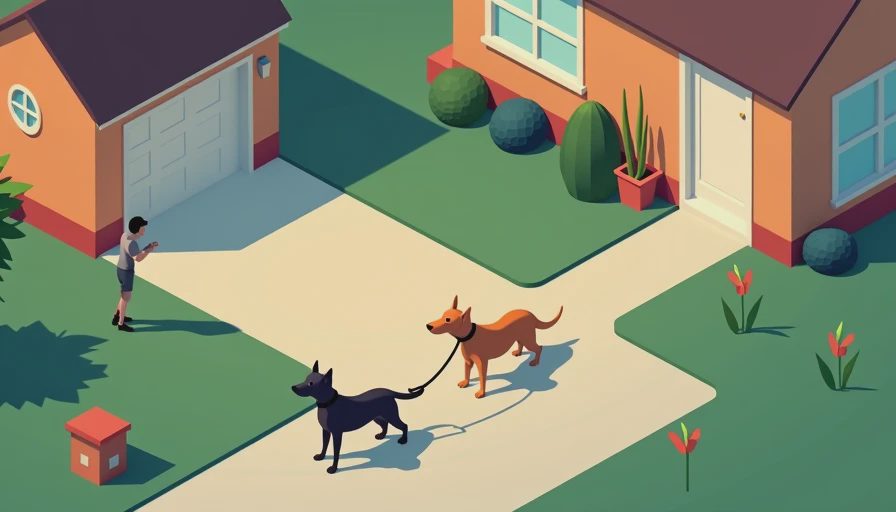
Movement in a small home works best as a collection of tiny habits. After the dog pose, scatter three treats for a sniffing game. Later, practice a quiet wait while you open the apartment door. On the next walk, take the stairs slowly or pause at the lobby so your dog can watch the elevator arrive without rushing. These details build confidence for dogs navigating busy hallways, delivery carts, and unfamiliar guests.
For renters, the routine can also protect the home. A dog who has outlets for sniffing, training, and calm movement is less likely to turn a shoe rack into a chew project. It will not solve separation anxiety by itself, and it should never replace veterinary or qualified behavior support, but it can give your day a predictable structure. Predictability is especially valuable during a move from a studio in Manhattan to a larger place in Brooklyn, or the other way around.
Keep the mat washable and store treats in a sealed container. If your building has a shared courtyard, do the longer movement session there rather than blocking a narrow hallway. Ask your landlord before installing a gate or modifying a door. Pet-friendly does not always mean every alteration is approved, and a quick written answer is easier than repairing a wall at move-out.
A Five-Minute Plan for Busy City Days
Begin with one minute of quiet standing on the mat. Reward your dog for looking at you, then offer the treat low and forward for one gentle dog pose. Release them and allow a short sniff around the room. Repeat once if their body remains loose.
Next, walk slowly from the mat to the door and back. Ask for a simple sit only if your dog already knows it and can do it comfortably. Finish with water and a calm activity, such as a lick mat or a stuffed food toy. On days when the sidewalks are icy, overheated, or packed with construction noise, this indoor sequence can provide a little structure until a better walk is possible.
Do not chase a perfect daily streak. Some days your dog will want a stretch; other days they will sleep through it. Consistency means offering a reasonable opportunity, not demanding a performance. A few peaceful minutes can make a one-bedroom feel more thoughtfully designed for paws, people, and downstairs neighbors.
Finding a Home That Fits Your Dog
When I show apartments, I look beyond the listing’s cheerful “pets welcome” line. I check whether the elevator is large enough for a nervous dog, whether the nearest green space is practical before work, and whether the entry has a safe place to pause. Ask about pet rent, deposits, breed or weight language, and any rules covering common areas before applying. Get every promise in writing.
You can send a landlord this simple note: “My dog is house-trained, quiet in the apartment, and comfortable with a consistent walking routine. Could you confirm the pet terms, fees, and building rules in writing?” It is clear without overselling your situation. Bring vaccination records and a short pet profile if requested, but do not hide an animal from management. Trust is part of finding a stable rental.
A good home leaves room for real life: a mat beside the sofa, a leash near the door, and enough floor space for your dog to turn around comfortably. That is the point of a dog pose, too. Small, gentle choices add up to a home that fits all of you — tail included.

No notes yet — write the first one.